
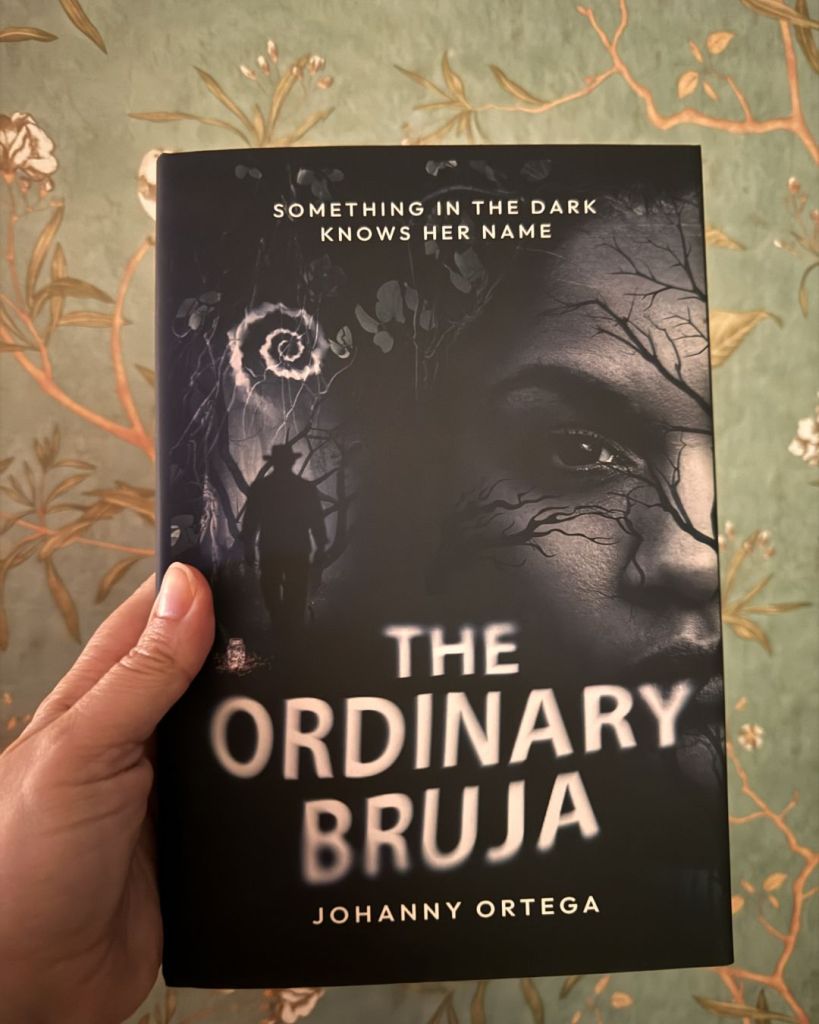
Last night, I dreamt about my demon.
It is the same demon I have been dreaming about since I was little. The same one that made my grandmother tell me to pray because, according to her, I had the devil in me.
You see, I was born in the Dominican Republic and raised by my grandmother. She’s the mother I remember because my parents divorced when I was very young and soon after started a new life in the United States. But before they left my sister and me in the care of our maternal grandmother, they promised that they would eventually send for us.
That promise was kept. But by the time that happened, my sister and I had lived almost an entire life away from them.
Much of the life we created in the Dominican Republic without our parents revolved around our grandmothers: the one we lived with and the one we visited, who everyone said I took after.
The grandmother who raised me was deeply Catholic. The grandmother who did not raise me practiced her faith differently. She kept an altar filled with saints and offerings, and every time I saw it, I thought it was the coolest thing in the world.
The altar had its own little house in her backyard. It held cheles (Dominican pennies) and a beautiful saint sitting in the middle of all that wealth. Half-burned candles surrounded it, and the small house smelled of cigars and herbs.
My sister and I touched the altar once. I do not remember everything, but I think we wanted some of the money to buy candy. Our grandmother slapped our hands, took the money from us, and returned it to its proper place. She told us never to take anything from the altar.
But that is not why I have a demon.
That thing was there even before that happened.
Anyway, I did what my Catholic grandmother told me to do. I prayed. I received all my sacraments. I followed the rituals meant to protect me, but the demon never left. He kept appearing from time to time in my dreams.
Last night, he was there front and center.
Only this time was different.
Oh, yeah.
This time, your girl was flipping him off and saying, “Fuck you.”
And maybe that is my inheritance. Maybe that is what those two women left me: the prayers to protect myself and the strength to fight whatever still comes for me.
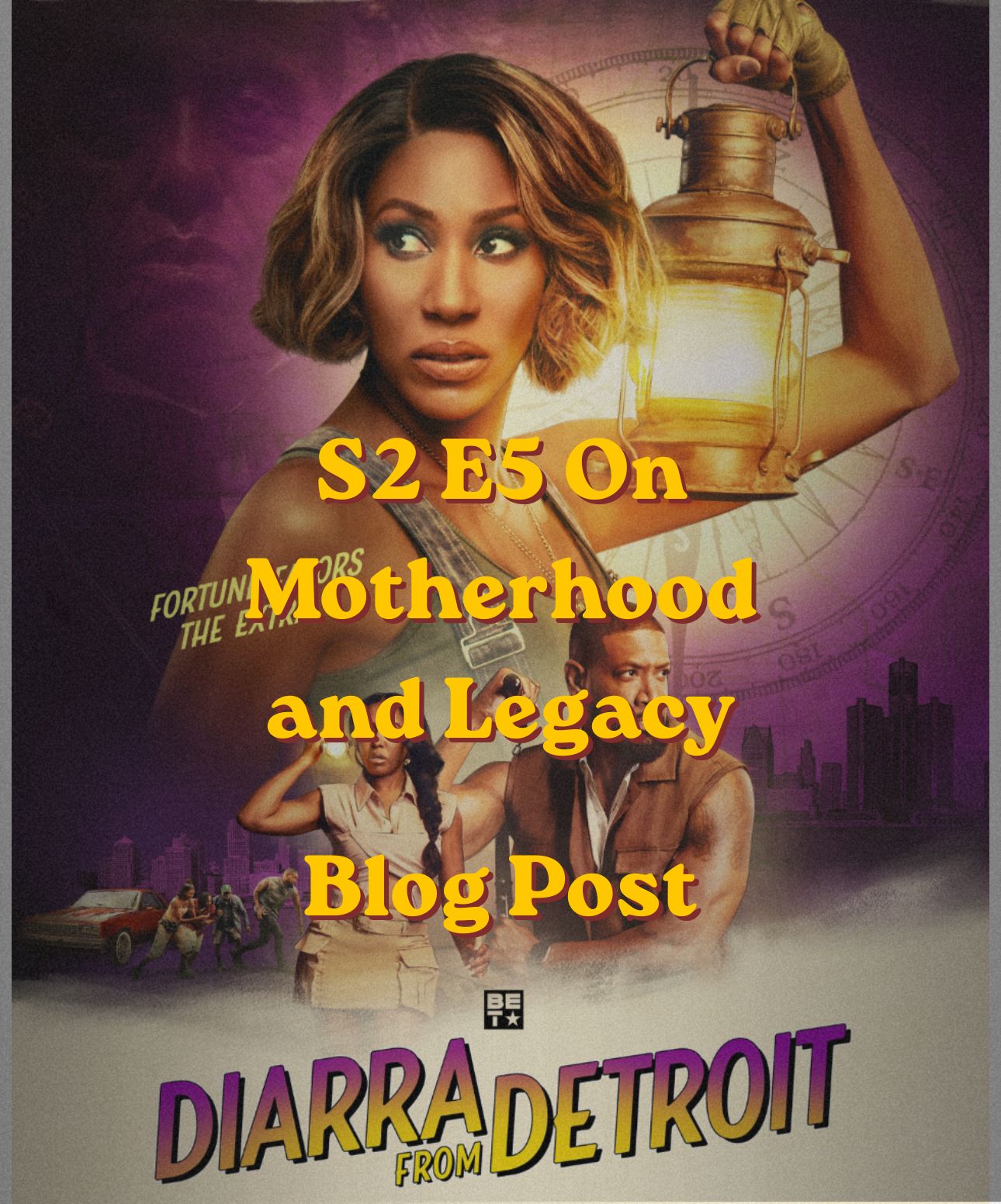
The thing is, I did not make that connection until I watched Episode Five of Diarra from Detroit.
That realization hit me like a brick. And I was like, wait a minute…
What We Leave Behind
Episode Five explores legacy in all the forms it can take. The episode examines legacy through mothers, grandmothers, Harriet Tubman, and even gangs—through what each leaves behind for others to carry forward.
Let me explain.
We watch Booker lovingly handle the trinkets his grandmother left him and talk about his inheritance. You can tell from his eyes and the way he speaks that these objects, and what they represent, are important to him.
The episode invokes Harriet Tubman and the legacy she created through the Underground Railroad and the people she guided toward freedom. Some legacies are intimate, passed quietly from one woman to one child. Others reshape communities and echo across generations.
The episode’s gangs and turf wars operate through a distorted idea of legacy. They fight over territory, resources, belonging, and what will remain for those who come after them. That does not make the violence nurturing, but it demonstrates how the desire to protect, provide, and leave something behind can shape a community, for better or worse.
Finally, there is Diarra—the complex character that she is—contemplating what kind of legacy she might create through motherhood. She uses an unfair measuring stick—hindsight—to judge herself. After Booker leaves, she recognizes where she went wrong and decides, in that painful moment, that she is not fit for motherhood.
I think she’s wrong, and that’s the thing about this show and its characters: I’m having these internal arguments with every single one of them, and it’s the most fun kind of stress. But hear me out, Diarra is wrong.
She is ready.
She is ready because she cares. She questions herself. She dissects her ability to become this one thing while already caring for someone she barely knows. If that is not motherhood, c’mon.
Think about it. This thing gets dragged out of your nether regions looking all kinds of fucked up from the journey, and somehow, you already know you would drop everything for Cousin Itt.
I used to call my baby that because he came out with so much hair. He had a full head of hair and peach fuzz everywhere. For a second, I wanted to check my own DNA. I was like, am I part primate?
But I digress.
As mothers, we constantly make difficult choices. All we can do is make the best decision possible with the time, information, and resources available in that moment, and then learn from it.
But watching Booker reminisce about his grandmother and Diarra question her own worth took me back to my childhood as a little girl being mothered and to my own journey as a young mother struggling to figure things out.
That is why this episode hit me so hard. And it is so fucking weird that I am getting this emotional about a comedy-mystery show.
But here we are.
When a Story Crosses Geography
On the surface, there is very little connecting my life to a series about Detroit. I did not grow up there. When I immigrated to the United States, New York, New Jersey, and Massachusetts became my stomping grounds. I know almost nothing about what it means to grow up in Detroit.
Yet this show reached across all that distance and pulled me back to the Dominican Republic. It took me back to my grandmothers, their different faiths, the things they taught me, and the different ways they prepared me to confront whatever might follow me through life.
It made me consider the legacy I inherited, and, through it, the legacy I am leaving behind.
I am trying not to cry as I write this because that is what powerful storytelling does. It finds the place beneath our superficial differences where something familiar is waiting. It reaches inside us, pulls on a memory, and makes us recognize ourselves in someone whose life may look nothing like ours.
Diarra from Detroit did not need to share my geography for me to recognize something about my inheritance. Through its loving, deeply human portrayal of these characters, I found my own humanity reflected in them.
I saw that my grandmothers left me prayers, rituals, memories, and enough fight to look the demon that has followed me since childhood directly in the face and tell him to fuck off.
Maybe that is the real legacy of motherhood. We do not always inherit answers. Sometimes we inherit the tools to survive the questions, the courage to confront what haunts us, and the strength to leave something different behind for those who come after us.
What to watch?
Well, if you want to cry and laugh, or more like cackle like me, watch Diarra from Detroit.
Note: Promotional artwork for Diarra from Detroit, originally published by BET+. © BET Studios, Paramount+, and respective rights holders. Additional text added by Johanny Ortega. Used for commentary and criticism.

Leave a Reply