
How often do our biases silently shape our conversations and decisions without us realizing it? This episode of “Have a Cup of Johanny” promises to reveal eye-opening insights into how these hidden biases can impact everything from daily interactions to critical decisions like hiring. We’ll dig deep into how societal norms and our upbringing color our judgments and filter our perceptions, often leading us to miss out on genuine connections and valuable opportunities for diversity and innovation.
Biases are pervasive in our lives, shaping our perceptions and influencing our interactions in ways we might not even be aware of. These biases are often rooted in our upbringing and societal influences, which can create barriers to effective communication. For instance, biases based on how people dress can lead to unfair judgments and treatment. Recognizing these biases is the first step toward overcoming them. This understanding allows us to see beyond our preconceptions and engage more authentically with others.
The impact of biases on communication is profound, particularly in professional settings such as hiring decisions. Unconscious biases can stifle diversity, innovation, and inclusivity within a team and organization. For example, favoring candidates with familiar names over those with foreign-sounding names, despite equal qualifications, can lead to a less diverse team and a missed opportunity for valuable perspectives. Understanding and mitigating these biases is crucial for more effective and open communication.
Self-reflection is a powerful tool for recognizing and addressing our biases. Journaling or other reflective practices can help us identify and understand our thoughts and behaviors, shedding light on potential biases. Engaging with diverse perspectives also plays a significant role in challenging our assumptions and broadening our understanding. By actively seeking out varied viewpoints, we can break down the barriers created by our biases and foster a more inclusive environment.
Empathy is another critical element in overcoming biases. By putting ourselves in others’ shoes, we can better understand their perspectives and experiences. This practice helps us tailor our communication to be more effective and empathetic. Empathy not only enhances our personal relationships but also fosters a more inclusive and understanding community.
In conclusion, recognizing and mitigating our biases is essential for effective communication. By acknowledging our assumptions and working to overcome them, we can truly listen and connect with others on a deeper level. This not only enriches our personal interactions but also creates a more dynamic and inclusive workplace. Tune in to this episode of “Have a Cup of Johanny” to begin your journey towards understanding and connecting with others more genuinely and effectively.
Thank you for joining me today on “Have a Cup of Johanny.” I hope this episode encourages you to reflect on your own biases and take steps to improve your communication. If you enjoyed this episode, please leave a review and share it with your friends. Stay tuned for more discussions on how we can navigate the complexities of life and relationships. Until next time, listen without judgment and embrace diverse perspectives.

Johanny Ortega | Have A Cup Of Johanny LLC
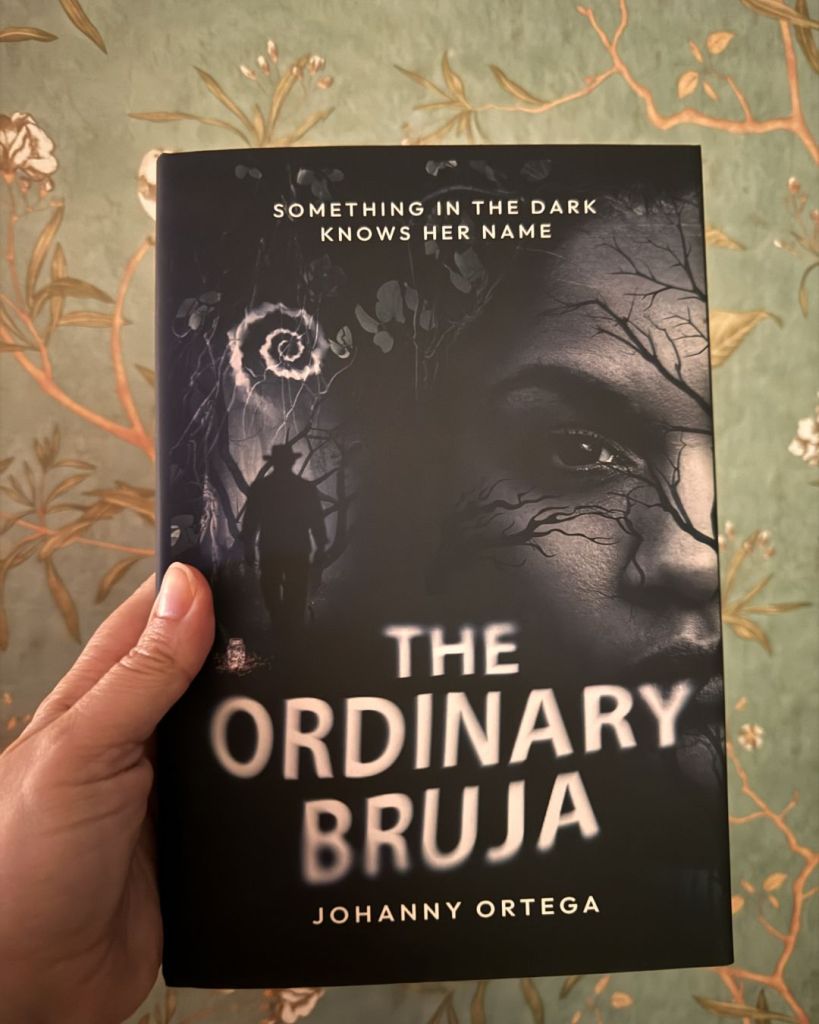
The Ordinary Bruja
For fans of Mexican Gothic and The Inheritance of Orquídea Divina, The Ordinary Bruja is a psychological horror and magical realism novel about grief, ancestral secrets, Dominican brujería, and one woman’s fight to reclaim the magic her family tried to bury.
When strange messages appear in mirrors, and the scent of cigar smoke follows her through her small Ohio hometown, Marisol Espinal must confront the ghosts of her past, the truth about her mother’s death, and the family curse waiting for her on Hallowthorn Hill.
Her family buried the magic. Now it wants out.
For Bookstores & Libraries
Bring The Ordinary Bruja to Your Shelves
Independent bookstores, libraries, educators, and book clubs can request access to the wholesale catalog
Unmasking Bias: How Unconscious Judgments Shape Our Decisions
by

Discover more from Johanny Ortega | Have A Cup Of Johanny LLC
Subscribe to get the latest posts sent to your email.

Leave a Reply