

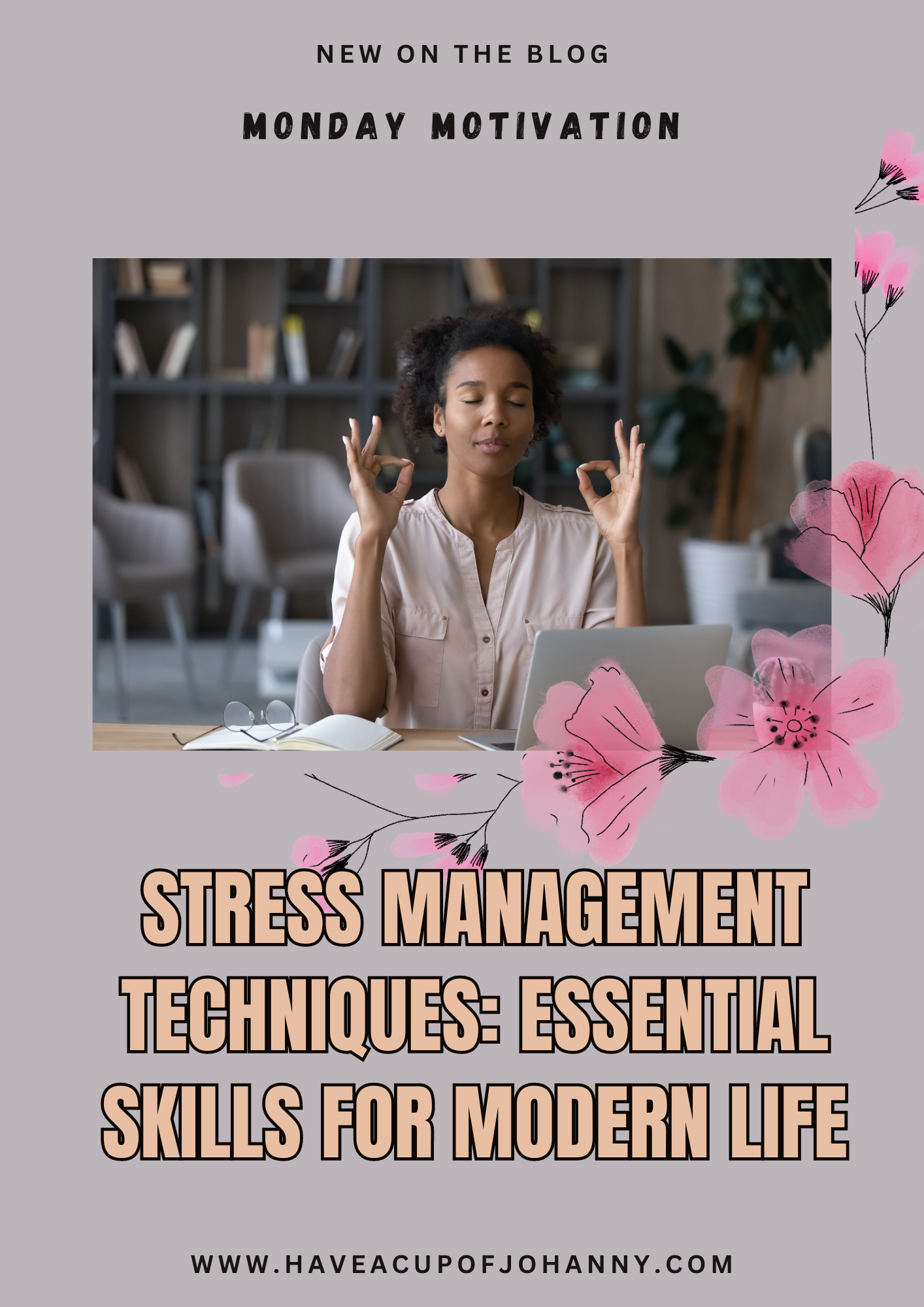
In today’s fast-paced world, stress is a common challenge affecting our health, happiness, and overall well-being. Understanding and applying effective stress management techniques is crucial for maintaining mental balance and enhancing life quality.
Understanding Stress
Stress is the body’s response to any demand or threat. When faced with a challenge, our body reacts with physical, mental, and emotional responses. Chronic stress, however, can lead to serious health problems, highlighting the need for effective management strategies.
Comprehensive Stress Management Techniques
- Mindfulness and Meditation
- Mindfulness involves staying present and fully engaged in the moment. Meditation can help calm the mind and body, reducing stress. Simple techniques include breathing exercises and guided meditation sessions. I use the Aura app and have built a habit of ten minutes of mindfulness daily. This activity has helped me to identify emotions to mitigate reactiveness and be more present.
- Physical Activity
- Regular exercise is a powerful stress reliever. It not only improves physical health but also boosts endorphins, chemicals in the brain that act as natural painkillers and mood elevators. Activities like yoga, brisk walking, or any form of aerobic exercise can be particularly beneficial. Read the blog post on my habits, which has helped me to create and maintain healthy living.
- Proper Nutrition
- Eating a balanced diet is key to stress management. Foods rich in magnesium, omega-3 fatty acids, and vitamins can help regulate cortisol levels and enhance overall mood. Examples include leafy greens, nuts, fish, and whole grains. I don’t practice food deprivation because that has never worked for me. However, I have learned to substitute certain items for others, such as corn oil for olive oil and avocado oil. I eat more lean meat than fatty or red meat. I’ve also incorporated some vegetarian days or meals in the week. These small modifications have helped me feel less swollen, lighter, and with more energy.
- Adequate Sleep
- Sleep and stress have a two-way relationship. Poor sleep can increase stress levels, which in turn can make it harder to sleep. Maintaining a consistent sleep schedule and creating a comfortable sleep environment are essential for quality rest. I use sleep trackers and alarms that let me know when I should be winding down. This helps me to stay consistent with my sleep so going from the weekday to the weekend doesn’t give me ‘whiplash’. Maintaining sleep consistency during days off has been the hardest lesson to learn but the most crucial.
- Social Support
- A strong social network can act as a buffer against stress. Engaging with friends, family, or support groups provides emotional comfort and practical help during tough times. Read the previous article on How to Build Your Support Network.
- Time Management
- Effective time management can significantly reduce stress. Prioritizing tasks, setting realistic goals, and breaking down large projects into manageable steps can help prevent feeling overwhelmed. I use the bullet journal method to keep me on track. You can read about it here.
- Professional Help
- Sometimes, professional intervention is necessary to handle stress. Therapists or counselors can provide techniques and strategies to manage stress more effectively. They can offer a fresh perspective and structured approaches to reduce the psychological impact of stress. I have found BetterHelp to work for me. As someone who travels a lot, I find video therapy very helpful. It is so convenient!
Conclusion
Implementing these stress management techniques can lead to a more balanced, fulfilling life. While not all stress can be avoided, developing the skills to manage it effectively can improve both physical and mental health.
What stress management strategies have worked for you? Share your experiences and tips in the comments below, or pass this helpful information along to someone who might benefit from it.

Leave a Reply