
During Latine Heritage Month, we talk a great deal about visibility. We celebrate seeing ourselves onscreen, hearing our languages, and recognizing the complicated families and communities that raised us.
But visibility is not only about creating BIPOC stories. It is also about whether studios give those stories a genuine opportunity to be discovered.
While I was venting on Threads about Diarra from Detroit, a show I love, I began connecting dots I had seen before. The series is smart, funny, mysterious, and unlike anything else on television. Paramount+ itself describes it as “critically acclaimed,” yet as of September 2026, no third season has been announced. Season two premiered on Paramount+ on July 29, 2026, after the series originally appeared on BET+.
I cannot claim to know exactly how much Paramount spent marketing it because those figures are not publicly available. What I can say is that the show’s visibility did not appear comparable to that of many mainstream mysteries and comedies, and judging a program by the audience it attracts without giving that audience enough chances to discover it creates a deeply flawed measurement.
A show cannot become a hit with viewers who were never told it exists.
We Have Seen This Pattern Before (Shows I’ve Watched and Sorely Miss)
Watching the uncertainty surrounding Diarra from Detroit reminded me of several Latine shows I loved that disappeared after one or two seasons:
- Gentefied, a bilingual comedy-drama about a Mexican American family, gentrification, immigration, ambition, and a family-owned taco shop, was canceled by Netflix after two seasons. Its first season received a 92 percent critics’ score on Rotten Tomatoes, while its second received 100 percent, although the latter was based on only five reviews.
- Los Espookys, the wonderfully strange, Spanish-language horror comedy about friends who turn their love of horror into a business, was canceled by HBO after two seasons. The series earned critical acclaim and a Peabody Award before its cancellation. The Los Angeles Times described it as a distinctive combination of deadpan comedy, telenovela traditions, and gothic absurdity.
- Gordita Chronicles, the coming-of-age comedy in which I saw so much of myself, was canceled after one season. Importantly, reporting indicated that its cancellation occurred as HBO Max moved away from live-action family programming—not because the show had been proven incapable of finding an audience. It was later removed from the platform entirely, making discovery even more difficult. Variety reported on the cancellation and the company’s programming shift.
These shows did not all end for the same reason. Streaming cancellations can involve viewership, completion rates, production costs, corporate restructuring, licensing, scheduling, or changes in a platform’s overall strategy. We should not flatten every cancellation into a single explanation.
But we can still examine the larger system in which these decisions occur.
Hollywood continues to behave as if a show centered on Black or Latine characters must primarily appeal to Black or Latine viewers. White-led stories are typically allowed to represent universal experiences. BIPOC stories are more likely to be treated as specialized programming for a particular demographic.
That is the outdated premise we need to challenge.
Culture Does Not Erase Common Humanity
A story can be culturally specific and emotionally universal at the same time.
You do not have to be Black, divorced, a schoolteacher, or from Detroit to enjoy a woman getting pulled into a dangerous mystery after a date disappears. You do not have to be Mexican American to understand a family struggling to protect its business and neighborhood from economic displacement. You do not have to be Dominican to recognize a child navigating family expectations, body image, immigration, and the confusion of growing up between cultures.
The cultural details make these stories richer. They do not make the emotions inaccessible.
In fact, stories can serve as both mirrors and windows. For some viewers, a show reflects a life they recognize. For others, it offers a window into a community they have not personally experienced. Both audiences can still laugh, grieve, worry, and become invested in the characters.
The available audience data also challenges the assumption that diverse stories only appeal to diverse viewers. UCLA’s television research found that, during the 2020–21 season, ratings among several demographic groups—including white households—often peaked for programs with meaningfully diverse casts. Its more recent film research similarly found that diverse casts were prominent among highly watched streaming movies. UCLA’s Hollywood Diversity Reports repeatedly connect cast diversity with audience engagement and commercial performance.
The idea that BIPOC-centered entertainment has only a narrow audience is not an established truth. It is an assumption and one that can influence the outcome it supposedly predicts.
Market the Story, Not Only the Identity
This is where genre-based marketing could make an enormous difference.
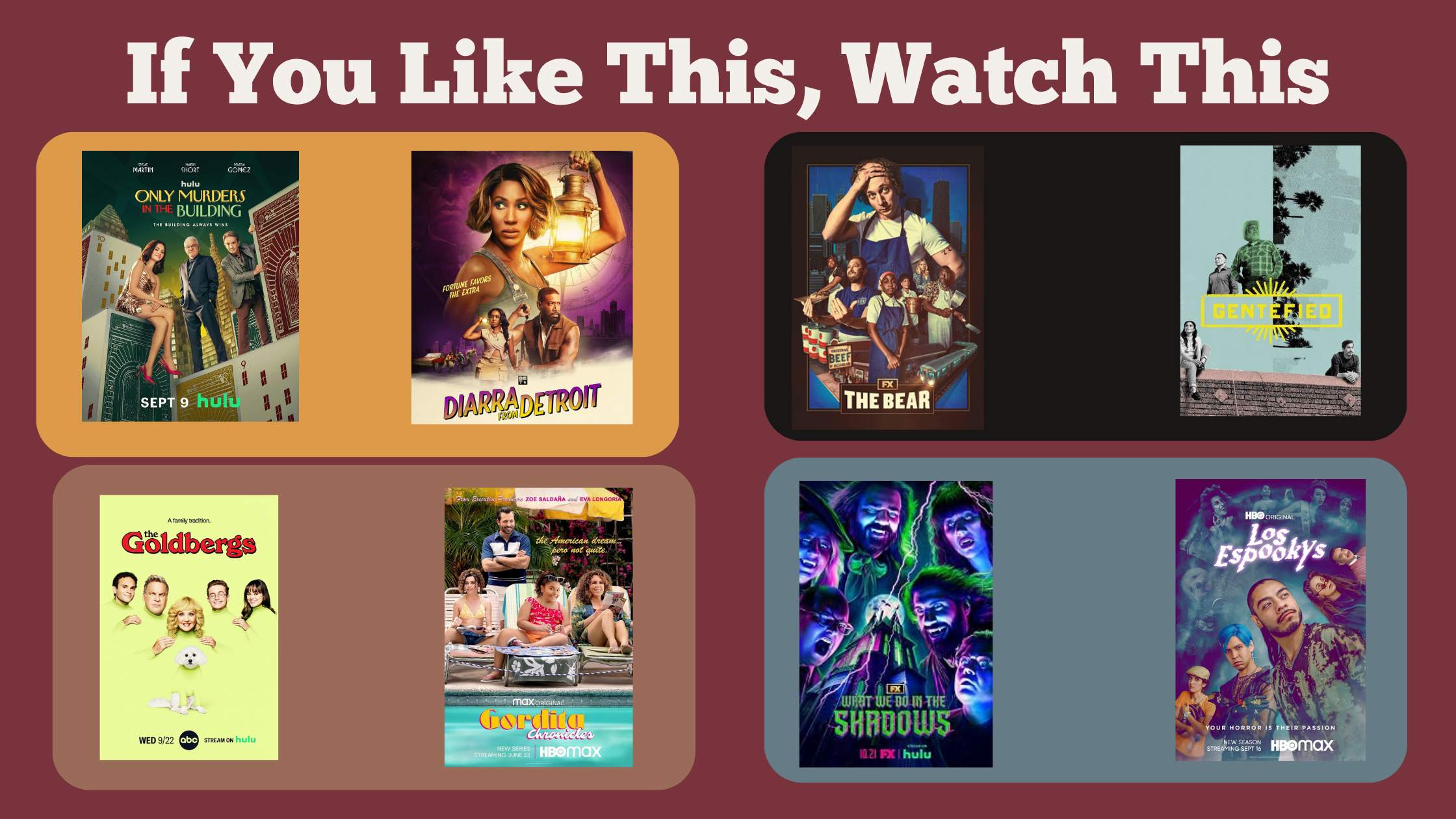
Diarra from Detroit should be promoted to people who love comedic murder mysteries, messy amateur detectives, and shows like Only Murders in the Building. Both series combine humor, eccentric characters, personal complications, and an ordinary person becoming consumed by a suspicious disappearance.
That comparison does not mean the shows are identical. It gives potential viewers a familiar doorway into something new.
Gordita Chronicles could have been marketed to viewers who love nostalgic family comedies such as the original The Wonder Years or The Goldbergs. Its Dominican immigrant experience is essential to its identity, but its humor, coming-of-age narration, and family dynamics could speak to a much broader audience.
Los Espookys could have been placed in front of fans of What We Do in the Shadows: viewers who already enjoy deadpan comedy, eccentric ensembles, and worlds where the supernatural and the ridiculous coexist.
Gentefied could have reached viewers who love The Bear. Both explore a struggling family business, generational tension, food, grief, ambition, neighborhood identity, and the question of whether saving something might also change it.
Again, these comparisons are not meant to replace what makes the BIPOC shows distinctive. They are marketing bridges. Hollywood uses comparisons and genre shorthand constantly. The problem is that BIPOC stories are too often marketed through identity alone, as “a Latino show” or “a Black show,” instead of being offered to everyone who already loves that kind of story.
Audiences Can Be Taught What to Expect
I learned this while marketing my books as an independent author.
I do not write in only one genre, so I had to teach readers what connects my work. Instead of pretending every book is the same, I market myself as a multigenre author whose stories center resilient Dominican characters.
Over time, readers began to understand that promise.
People have told me, “I had never read a Latine author before,” or “I had never read a Dominican author before, but after this book, I will again.” That always makes my heart flutter, but it also proves something important: audiences can expand their reading and viewing habits when someone gives them an inviting point of entry.
The process can be slow, but it works.
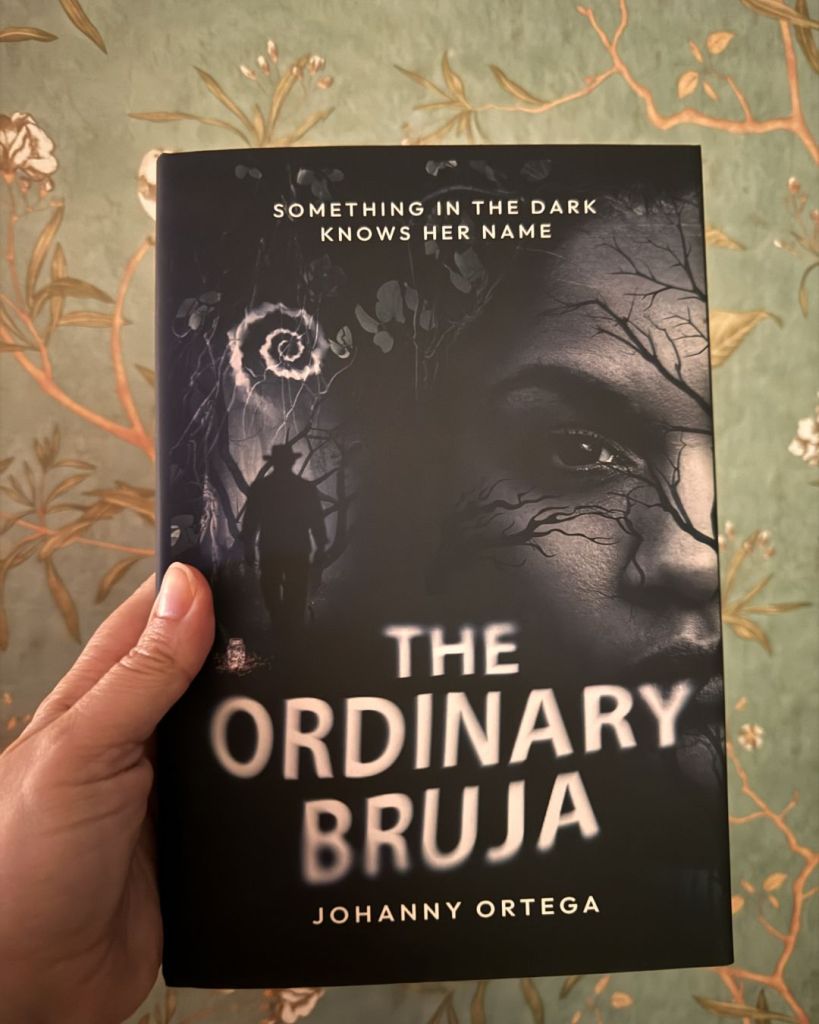
When readers see J.E. Ortega or Johanny Ortega, I want them to know they will find a resilient Dominican protagonist, regardless of whether the story is horror, fantasy, realistic fiction, or a thriller.
Studios can teach audiences in the same way. If platforms consistently recommend stories across cultural lines, viewers will gradually stop treating whiteness as the default and everything else as a special category.
But if platforms only advertise BIPOC stories to the communities represented in them, they reinforce a kind of Jim Crow viewing habits they later use to justify limited investment.
The Self-Fulfilling Prophecy of Limited Visibility
This is the cycle:
A studio assumes a BIPOC show will attract a narrow audience. It promotes the show mainly to that audience. Fewer people outside that demographic discover it. The resulting viewership appears limited. The studio then treats those numbers as proof that the original assumption was correct.
That is not merely measuring demand. It is helping manufacture the result.
Of course, marketing alone cannot guarantee renewal. Not every critically acclaimed series will attract enough viewers to justify its cost, and white-led shows are canceled too. But fair opportunity does not require guaranteeing success. It requires giving a show an authentic chance to reach all the viewers who might love it before declaring that the audience was never there.
The solution is not to erase cultural specificity in pursuit of “universal” appeal. The solution is to stop treating cultural specificity as a marketing boundary.
Studios and streaming platforms should market BIPOC-led shows by genre, tone, themes, and audience interests IN ADDITION to cultural identity. They should place them in homepage recommendations beside comparable mainstream hits, promote them through broad press campaigns, and allow enough time for word of mouth to grow.
Audiences also have power within this system. Watch these shows while their future is still being decided. Finish the season when you can. Rate them, review them, recommend them, and talk about them beyond the communities already carrying the conversation. If a friend loves Only Murders in the Building, tell them to watch Diarra from Detroit. If they love The Bear, point them toward Gentefied. If they enjoy strange supernatural comedies, introduce them to Los Espookys.
Visibility cannot stop at seeing ourselves onscreen. Our stories must also be seen as worthy of reaching everyone.
BIPOC stories are not too specific to be universal. They are human stories shaped by cultures that make them more vivid, not less relatable.
The audience may already be out there.
Hollywood simply has to stop hiding the show from them.

Leave a Reply