
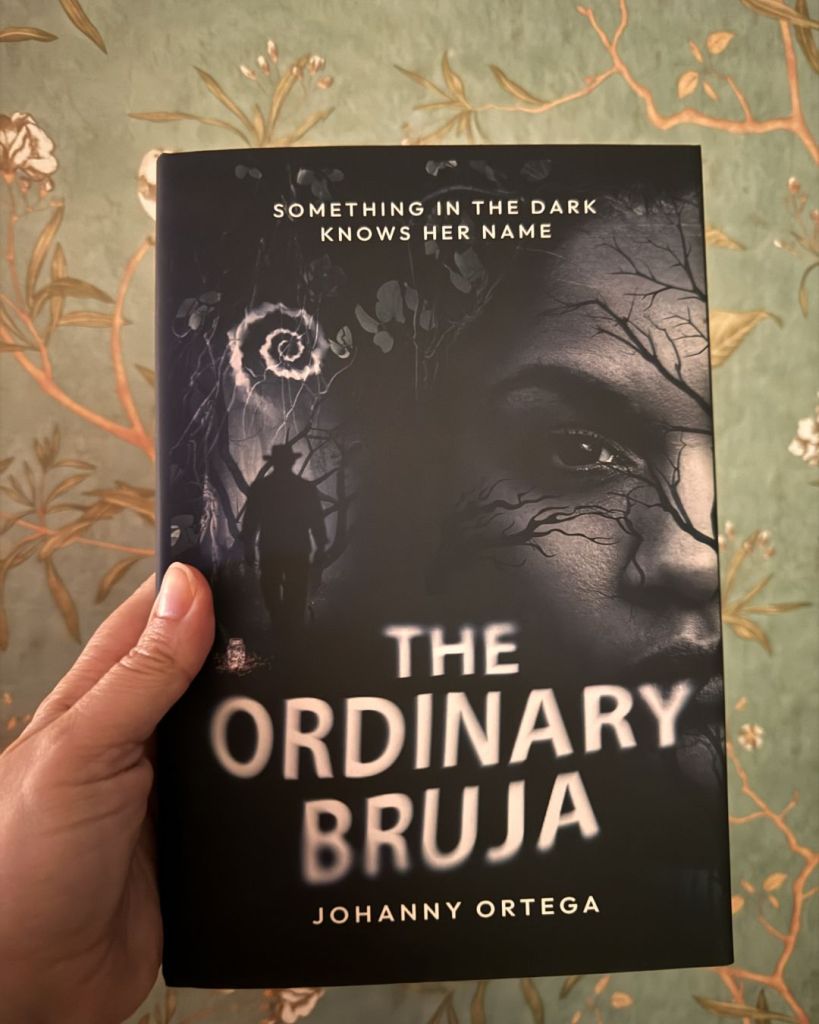
When I’m drafting gothic horror, my watchlist starts looking a little suspicious.
Not just because I’m watching horror movies or creepy shows, though yes, there’s plenty of that. It’s because I start gravitating toward stories that carry the same emotional rot I’m trying to dig into on the page: women being hunted, dismissed, desired, underestimated, or trapped inside family secrets that refuse to stay buried, and a bit of feminine rage, because, yes!
That is the creative headspace I’ve been in while drafting The Forgotten Bruja, the next book in my Las Cerradoras series.
This story is gothic. It is supernatural. It is deeply rooted in family history, generational silence, Dominican brujería, and the terrifying question of what a woman owes to the people who came before her. So naturally, the things I’ve been watching lately have been feeding that part of my brain.
Some of these are horror. Some are thrillers. Some are dark comedies. Some lean supernatural. But all of them have something in common with The Forgotten Bruja:
They understand that the monster is not always the thing hiding in the dark.
Sometimes the monster is the town.
Sometimes it is the lover.
Sometimes it is the family.
Sometimes it is the secret everyone agreed not to talk about.
And sometimes, the scariest thing is what happens when a woman finally realizes she had a purpose she’d could have never imagined.
What I’ve Been Watching While Drafting The Forgotten Bruja
Here are some of the movies and shows that have been keeping me company while I draft:
Something Very Bad Is Going to Happen (Netflix)
Your Monster (Tubi)
Run Sweetheart Run (Prime)
His & Hers (Netflix)
The Boroughs (Netflix)
The House of Flowers (Netflix)
Always a Witch (Netflix)
On the surface, this might look like a chaotic watchlist. But honestly? That makes perfect sense for the kind of book I’m writing.
The Forgotten Bruja is not just about horror in the obvious sense. It is not only about ghosts, curses, magic, or the supernatural. It is about the horror of being a woman in a world that wants to decide your purpose for you. It is about inheritance, silence, rage, love, erasure, and the impossible weight of family legacy.
That is why this watchlist works so well as drafting fuel.
Women Being Hunted, Haunted, and Underestimated
One of the strongest connections between these stories and The Forgotten Bruja is the way women move through danger.
In gothic horror, danger is rarely simple. It is not always a masked figure in the woods or a ghost in the hallway. Sometimes danger is social. Sometimes it is romantic. Sometimes it is buried in politeness, expectation, and silence.
That is the kind of danger I am drawn to as a writer.
I am interested in the woman everyone misreads. The woman people think is fragile, dramatic, difficult, or disposable. The woman who knows something is wrong, even when no one believes her. The woman who has been told to stay quiet for so long that her silence becomes its own kind of haunting.
That energy is all over The Forgotten Bruja.
Isadora Espinal is not a scream queen running blindly through the dark. She is a woman carrying family history, grief, guilt, desire, and a legacy she does not fully understand yet. The horror around her is supernatural, yes, but it is also historical. It is domestic. It is racial. It is intimate.
And to me, that is the best kind of gothic horror.
The Past Refuses to Stay Buried
Another thread running through these shows and movies is the idea that the past is never really past.
That is central to The Forgotten Bruja.
In gothic stories, houses remember. Towns remember. Land remembers. Families remember, even when they pretend they don’t. The past does not stay politely tucked away in an old photo album or a locked drawer. It leaks. It rots. It grows roots.
That is the emotional core of Las Cerradoras.
The women in this series inherit more than magic. They inherit unfinished grief. They inherit secrets. They inherit choices made before they were born. They inherit wounds that were never named, and because they were never named, they became curses.
That is what I love about horror as a genre. Horror lets us take the invisible thing and give it teeth.
Family secrets become ghosts.
Generational trauma becomes a curse.
Erasure becomes a haunted town.
Silence becomes something scratching at the walls.
Pretty Places Can Hide Rot
I am also deeply obsessed with stories where the setting looks beautiful, charming, romantic, or even funny on the surface, but underneath it all, something is wrong.
That is why a dark comedy like The House of Flowers fits into the same creative ecosystem for me. It might not be horror, but family dysfunction dressed up in beauty? Secrets hiding behind aesthetics? A polished exterior covering emotional decay?
That is gothic to its bones, and that is definitely the Espinal family.
Gothic horror is not always about castles and candlelight. Sometimes it is a family home. Sometimes it is a small town. Sometimes it is a hill. Sometimes it is a place that looks ordinary until you realize ordinary was only the mask.
That is very much the world of The Forgotten Bruja.
Willowshade, Ohio may not look like a monster at first glance. But the deeper Isadora looks, the more she realizes the town has been built on erasure, silence, and a history people would rather keep buried.
And the thing about buried things?
They do not stay buried forever.
Why This Watchlist Feeds the Manuscript
When I say these watches are feeding my manuscript, I don’t mean I’m copying plot points or trying to recreate these stories. I mean they put me in the right emotional weather.
They remind me of the questions I keep returning to as I write:
What happens when a woman is tired of running?
What happens when family history demands a sacrifice?
What happens when love is not enough to save someone?
What happens when the thing everyone fears is also the thing that might set them free?
That is the space The Forgotten Bruja lives in.
It is a Dominican gothic horror story about family secrets, brujería, erased history, and a woman standing at the edge of becoming something no one can control.
And honestly, that is the kind of horror I love most.
Not just the jump scare.
Not just the monster reveal.
Not just the blood.
I love horror that asks: Who benefits from your silence?
I love horror that whispers: What did your family bury to survive?
I love horror that shows a woman becoming terrifying because the world left her no softer way to live.
The Monster Is Not Always the Monster
That is what all of these watches have in common with The Forgotten Bruja.
They understand that horror is not always about what is lurking outside the door. Sometimes horror is already inside the house. Sometimes it has your last name. Sometimes it raised you. Sometimes it loved you badly. Sometimes it calls itself tradition.
And sometimes, the woman at the center of the story stops trying to survive by staying small.
That is where the real story begins.
So yes, my watchlist has been weird lately.
But for a gothic horror writer drafting a book about brujas, family secrets, cursed inheritance, and women who refuse to disappear?
It makes perfect sense.

Leave a Reply