

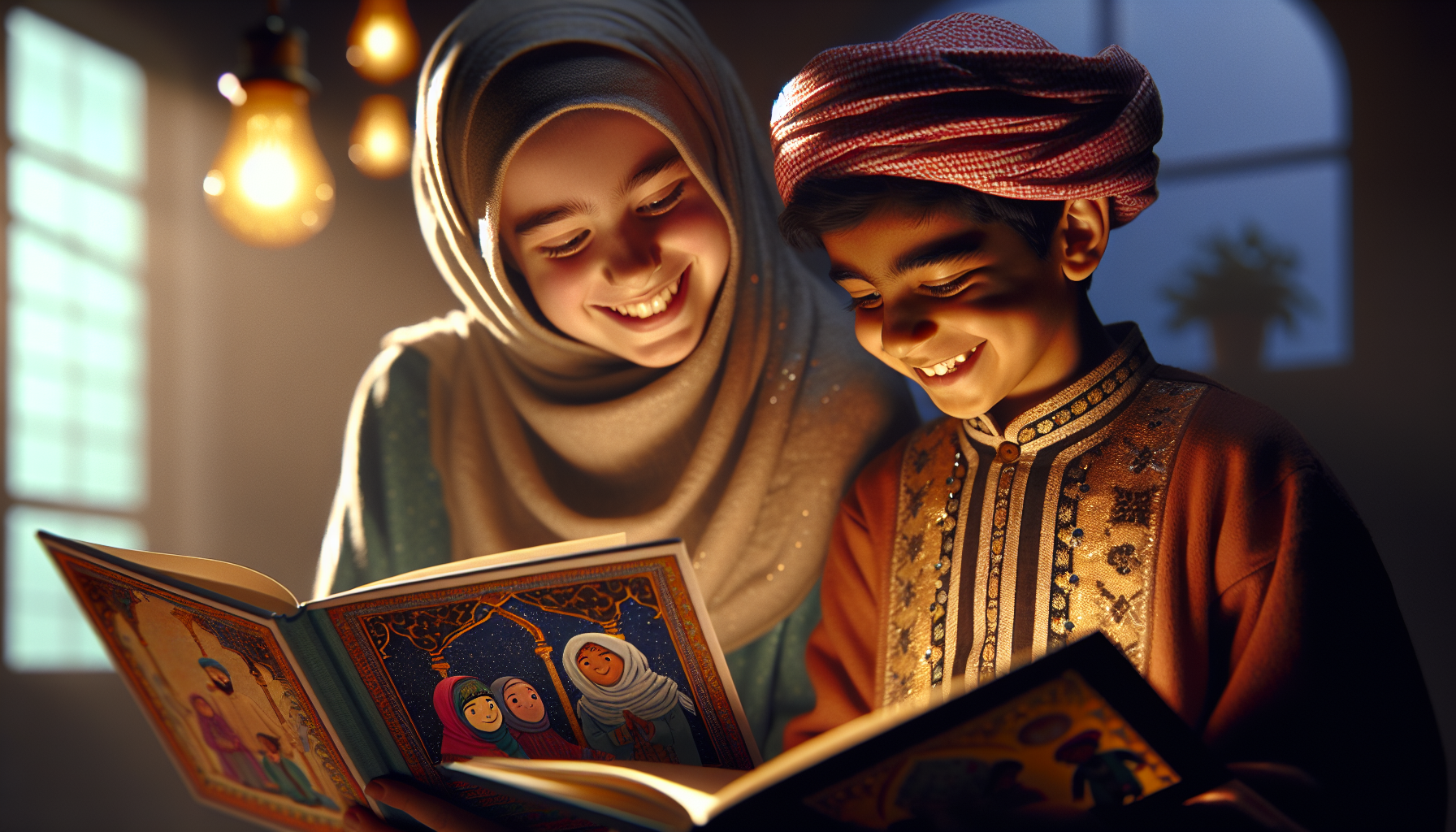
Children’s literature plays a crucial role in shaping young minds and fostering a sense of identity and belonging. As a voracious reader and ESL kid, I felt a bit empty when I read books but didn’t see myself in them. At such a young age, when I was trying to understand myself in relation to everyone else and build confidence and self-love, that landscape was challenging. Thus, cultural representation in stories play a crucial role in child development and help children from diverse backgrounds see themselves reflected in the narratives they read. Today, let’s discuss the impact of cultural representation in children’s literature and why it’s essential for fostering an inclusive society.
Importance of Representation:
- Identity and Self-Esteem: As I said above, it is hard to build self-confidence and self-love if books and media have characters who don’t look like you. This subconsciously tells others that there is no space for them. So, seeing characters who look like them and share their experiences helps children develop a positive sense of self and cultural pride.
- Empathy and Understanding: On the same token, stories that reflect diverse cultures teach children about the world’s richness and foster empathy and understanding for others who may not share that culture but learn to appreciate it through the media they digest. Which is why authentic representation is so important (but that’s a blog for another day)
- Combating Stereotypes: Furthermore, authentic representation helps break down harmful stereotypes and promotes a more nuanced understanding of different cultures.
Notable Examples:
- “Hair Love” by Matthew A. Cherry: This book celebrates Black hair and the bond between a father and his daughter.
- “The Name Jar” by Yangsook Choi: This story addresses themes of cultural identity and acceptance in a school setting.
- “Esperanza Rising” by Pam Muñoz Ryan: A tale of migration and resilience, offering insights into the experiences of Mexican immigrants.
Conclusion:
Cultural representation in children’s literature is essential for fostering inclusivity and understanding from a young age. By promoting diverse books, we help build a world where every child feels seen and valued.
What are your favorite culturally representative children’s books? Who are your favorite book bloggers who cherish and promote diverse and authentic representation? Share your recommendations and thoughts below!

Leave a Reply