

Are you drawn to narratives that unsettle the mind and linger like an echo in the stillness of the night? Welcome to the realm of psychological horror, where the terror is not just skin-deep, but rooted in the very essence of our psyche. This genre isn’t content with mere superficial chills; it plunges into the depths of fear, paranoia, and the grotesque, often leaving you to question the stability of your own mental landscape.
Let’s embark on an exploration of psychological horror, especially in the works of diverse creators who are redefining the genre with their unique perspectives and haunting stories.
Contemporary Chronicles of Fear
One such narrative is “The Devil That Haunts Me,” a profound piece that delves into the harrowing effects of generational trauma. Through the interwoven lives of three generations of women in the Dominican Republic, the story unravels a tapestry of pain passed down and perpetuated, a real-life horror that resonates deeply with the reader. It’s a vivid example of how psychological horror can transcend the page, offering a lens into the cyclical and often hidden agonies that shape cultures and identities.
The genre has found a diverse voice in recent media, with creators from various backgrounds bringing fresh and compelling stories to the forefront. Shows like HBO’s “Lovecraft Country” meld cosmic horror with the very real terror of racial injustice in 1950s America, while Netflix’s “The Haunting of Hill House” offers a modern twist on the ghost story by delving into the complexities of family trauma and mental health.
A Reflection of Our Deepest Fears

The power of psychological horror lies in its ability to mirror our deepest anxieties and societal fears. Through its multifaceted lens, we confront not just fictional monsters but the real-world ones that lurk within human nature and societal constructs. It’s a genre that’s particularly poignant when voiced by creators who’ve lived on the margins, whose experiences with fear and otherness provide a richer, more nuanced tapestry of terror.
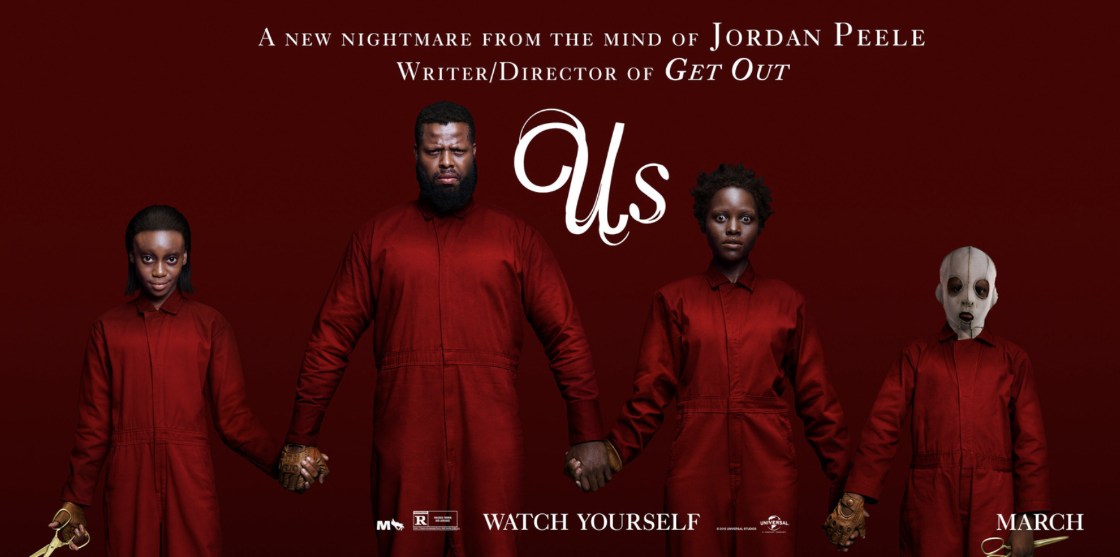
For instance, Jordan Peele’s works, such as “Get Out” and “Us,” have brilliantly dissected the horrors of identity and perception in a society riddled with racial tensions. His approach to horror is cerebral, forcing viewers to acknowledge the uncomfortable truths that society often tries to suppress.
Embracing the Diversity of Dread
By exploring works from a diverse group of creators, we’re treated to a kaleidoscope of horrors that are as culturally rich as they are terrifying. These creators understand that the scariest stories are those that can happen to us, the ones that reflect our everyday lives. Psychological horror becomes a universal language, transcending barriers and tapping into the primal fear that resides in all of us.
As you journey through these stories, from “The Devil That Haunts Me” to other tales steeped in the psychological horror tradition, allow yourself to be drawn into their worlds. Here, you confront not only specters and shadows but also the very elements of human nature that we often choose to ignore.
Embrace the genre’s exploration of the unknown, both external and internal, and discover the unsettling power of psychological horror—a genre that continues to challenge, terrify, and fascinate. Through the lens of diverse creators, the exploration of fear has never been more profound or more reflective of the myriad experiences that make up the human condition.

Leave a Reply