

Learn more about the show: https://www.paramountplus.com/shows/evil/
Transcript
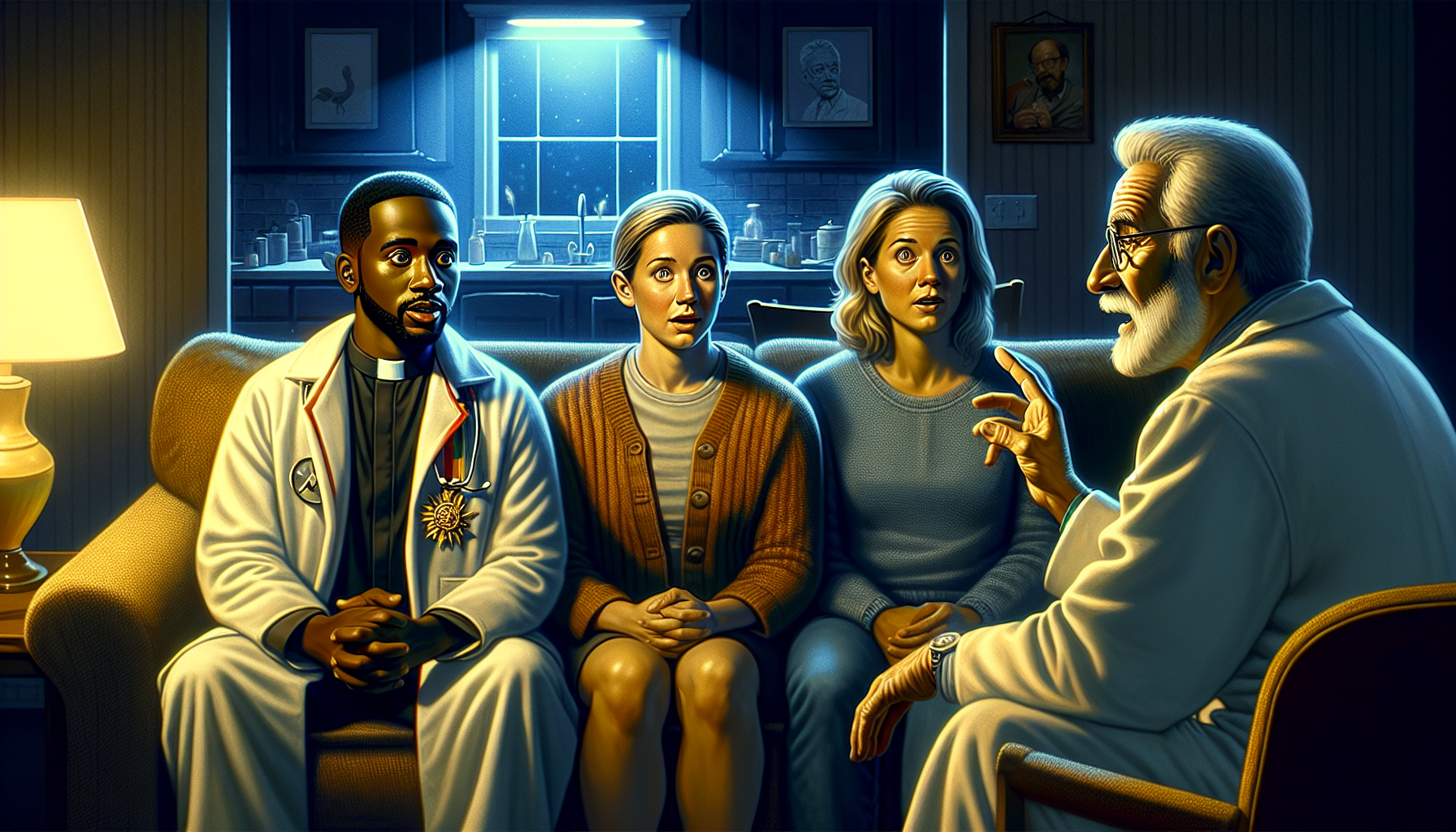
So I am watching this show evil. And, and I was talking to my husband about this last episode that we saw, and that it does a great job of showing the theme that it wants to focus on during the episode. And I think I took that as a great writing lesson. Because oftentimes, as authors, we are asked to show and not sell. And I think when it comes to that lesson, the show evil did an outstanding job in this episode. And this is the episode that is titled C for COP. And it starts with a scene that lets you know, by showing you the inequality that is there, when it comes to how police officers react to someone with Melania skin. So either darker complexion, or they’re African American. And, and you see that it’s just that there’s no there’s no like narrative, there’s no no explanation or anything like that, you just you see that that’s a scene. And then as the show progressed, and it continues to, to emphasize that point, once again, without really having any narrative in there just showing showing the not the reader, right, but showing the audience like, why that is the thesis or the focus of that show of that episode in that show. And here we see there are three characters, right? African American priests, we have a white lady, and then we have the Indian scientists in there. And then there were talking about how many times they have gotten stopped by police. And did the African American priest said five times, and he has an app that records it. And then the Indian scientists was like, oh, yeah, I have the same app. And, and when the African American priest states that he has been stopped five times, so white lady is like, in how many years? And he or something like that, you know, he’s like, knowing like, two months or something like that, like a very short time span. And her mouth just drops, drops open. And I was telling my husband was like, that is so amazing. How they portray that I that that was like, perfect, right? But then it doesn’t just stop there. Then it goes on towards the end of the episode, when the white lady who killed somebody, right? Then gets saved by the color of her skin. Because the cops go to her house. She’s crying, right? Somebody’s in my yard. I swear I saw somebody in my yard but she’s seeing hallucinations or evil spirits or whatnot. Right? And, and then the cop that comes is also her friend along with another cop. And the cop says, Don’t worry, you know, you need to watch it. Don’t worry. I’ll just say a black man ran through here and then ran away. And I looked at my husband was like, Do you Do you understand now the thesis
Summary
In this episode of “Evil,” the show effectively demonstrates the theme of racial inequality without explicit narrative explanations, focusing on the experiences of an African American priest, a white woman, and an Indian scientist. The episode highlights police biases through scenes that show, rather than tell, the disparity in how people of different races are treated. The African American priest recounts being stopped by police five times in a short span, shocking the white woman. The episode culminates in a scene where the white woman, who committed a crime, is saved by her skin color, with the police fabricating a story to protect her. This serves as a powerful writing lesson in showing rather than telling to convey a theme.

Leave a Reply