

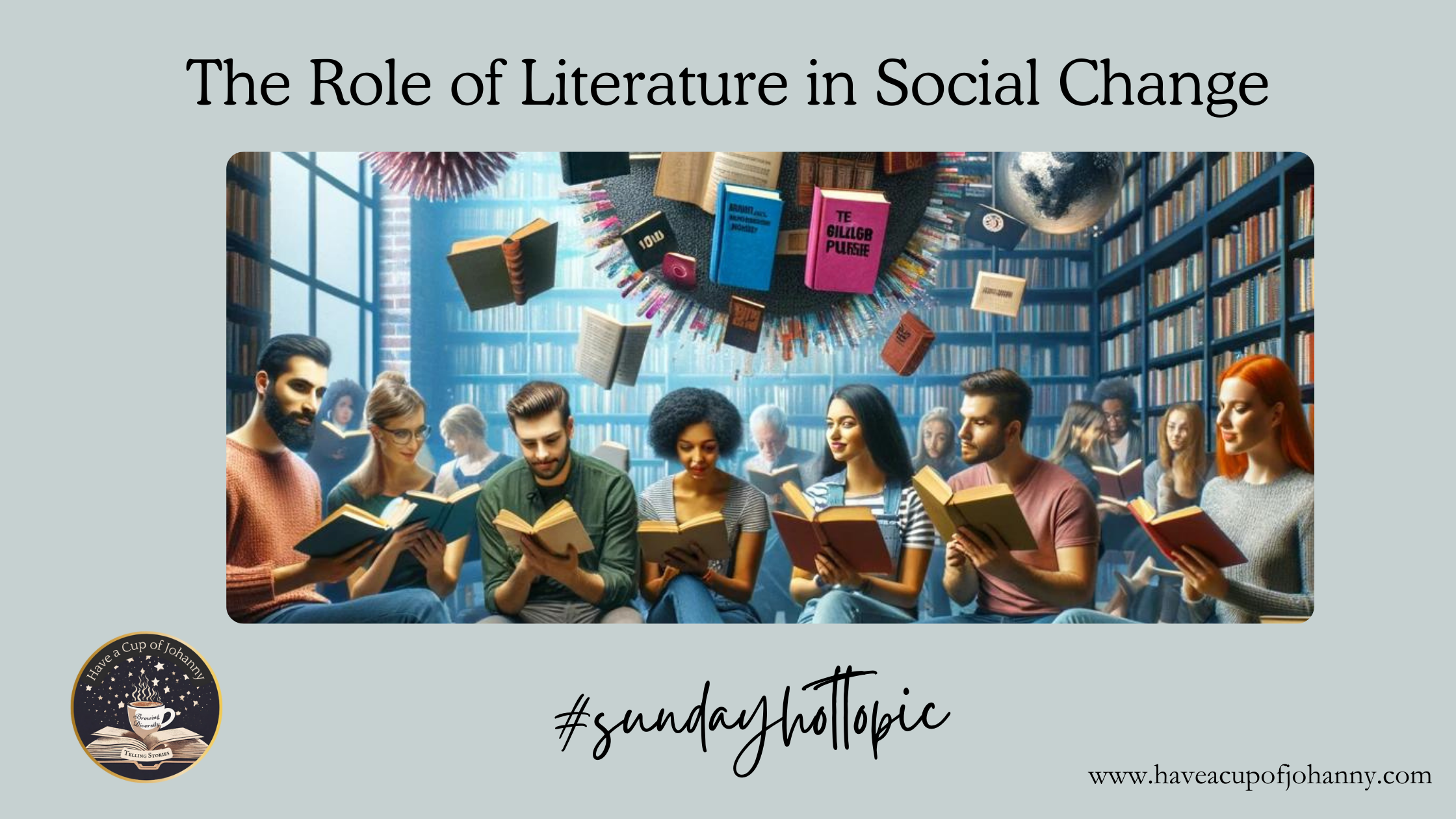
Literature has long served as a catalyst for social change. Through its compelling narratives and thought-provoking themes, it has the power to challenge societal norms and ignite movements. Today, let’s talk about the historical impact of literature on social change and explore its ongoing influence in shaping our world.
Historical Impact
From Frederick Douglass’s abolitionist writings to Virginia Woolf’s feminist narratives, literature has consistently given the marginalized a voice and a platform for dissent. These works do more than entertain; they educate, inspire, and provoke critical thinking.
The Abolitionist Movement: Harriet Beecher Stowe’s Uncle Tom’s Cabin is a prime example of how literature can influence public opinion and drive social reform. Published in 1852, the novel humanized enslaved individuals and galvanized the abolitionist movement in the United States, contributing to the growing tensions that led to the Civil War.
Women’s Rights: The writings of Mary Wollstonecraft and, later, Simone de Beauvoir challenged the status quo and laid the groundwork for the feminist movement. Wollstonecraft’s A Vindication of the Rights of Woman (1792) argued for women’s education and equality, while Beauvoir’s The Second Sex (1949) examined the oppression of women and became a foundational text in feminist theory.
Civil Rights Movement: The works of James Baldwin and Maya Angelou provided a poignant commentary on race relations in America. Baldwin’s essays and novels, such as The Fire Next Time (1963), articulated the frustrations and hopes of Black Americans, while Angelou’s I Know Why the Caged Bird Sings (1969) offered an intimate look at the systemic racism and personal trauma she endured.
Dystopian Warnings: George Orwell’s 1984 serves as a powerful cautionary tale about totalitarianism, surveillance, and the erosion of individual freedoms. Published in 1949, its depiction of a dystopian future continues to resonate, highlighting the importance of vigilance and resistance in the face of oppressive regimes.
The Color Purple: Alice Walker’s The Color Purple, published in 1982, addresses issues of race, gender, and sexual abuse in the early 20th-century American South. Through the life of Celie, the novel explores the transformative power of resilience and sisterhood, shedding light on the systemic oppression faced by Black women and promoting themes of empowerment and healing.
Literature’s Continued Influence
In today’s digital age, literature plays a vital role in addressing contemporary issues. Books like Angie Thomas’s The Hate U Give highlight police brutality and systemic racism, resonating with the Black Lives Matter movement. Similarly, Margaret Atwood’s The Handmaid’s Tale has found renewed relevance in discussions on women’s reproductive rights and autonomy. A memoir, Becoming by Michelle Obama, provides insight into race, identity, and personal growth, inspiring readers worldwide.
The Power of Fiction and Non-Fiction
Both fiction and non-fiction have the power to effect change. Fiction allows readers to empathize with characters and situations different from their own, fostering a deeper understanding of social issues. Non-fiction, on the other hand, provides factual accounts and analyses that inform and educate the public.
Conclusion
Literature remains a powerful tool for social change, capable of shaping minds and influencing societal progress. As we reflect on the historical impact of literary works, we can also look forward to how contemporary and future writers will continue to inspire and drive social change through their words.
What books have influenced your perspective on social issues? Share your thoughts in the comments below!

Leave a Reply