

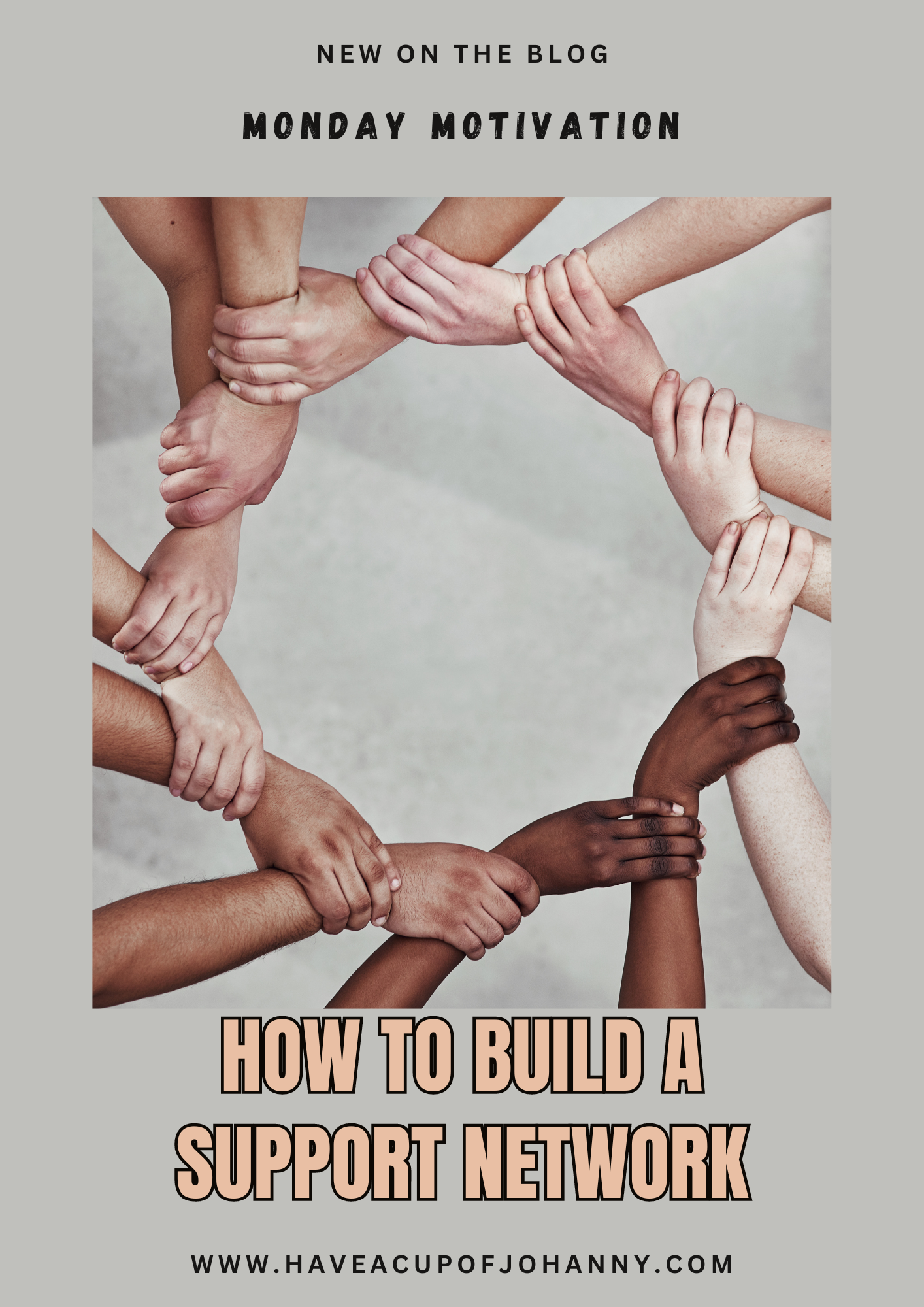
A strong support network is crucial for overcoming life’s challenges and enhancing personal resilience. In one of my first therapy sessions, my therapist asked who was in my circle. Believe it or not, my professional coach also asked me the same thing! So, apparently, this is important. Yet, if you are like me, a bit of a loner and introvert, this may seem hard to do. But I will remind you that your circle can include family, friends, colleagues, and community groups. Building a network intimidated me, so in this blog post, we are digging into how we can build our support network. We are also going to explore the various facets of a strong support network and offer practical tips for nurturing these essential relationships. My fellow introverts, read on…
The Importance of a Strong Support Network
Emotional Support: Emotional support from loved ones provides a sense of comfort and security. It helps mitigate feelings of isolation and anxiety, particularly during tough times. Knowing there are people who care can be a powerful motivator to persevere through challenges.
Practical Help: Life can get overwhelming with its demands and responsibilities. A support network can offer practical help like babysitting, cooking, or even financial assistance during critical moments, easing the stress that comes with managing everyday obligations alongside unexpected challenges.
Perspective and Feedback: It’s easy to lose perspective when you’re mired in a situation. Friends and mentors can provide objective feedback and solutions that might not have occurred to you, offering new ways to tackle problems.
My Network
My circle comprises my husband, sister, and a few bookish friends. It is a small team, but I trust these people to tell me the truth and not tell me what I want to hear but what I need to hear. These people also respect my identity, likes, dislikes, and respect my boundaries. When I worked on identifying and building my support network, I found that I wouldn’t want someone in my circle who causes undue stress. So, people who don’t understand or disregard my boundaries are not part of my support network because they are more destructive than constructive. Mind you, identification is only the beginning. As someone who is bad about keeping in touch, I really needed to work on strengthening my connections.
Strengthening Your Connections
Communicate Openly: Transparency is key in any relationship. Regularly sharing your thoughts and feelings can foster deeper connections and prevent misunderstandings. It’s important to listen actively as much as you express yourself.
Be Proactive: Don’t just wait for others to reach out. Take the initiative to maintain and deepen relationships. Schedule regular catch-ups, send updates, or simply check in to show you care.
Join Groups: Whether online or in-person, groups that align with your interests can enhance your sense of belonging and provide additional support. From hobby-based groups to professional networks, these communities can be invaluable.
And don’t forget professional help…
Seeking Professional Help
Incorporating professional guidance, such as therapists or counselors, into your support system can provide specialized strategies for managing stress and coping with life’s challenges. Professionals can offer a safe space to explore your feelings and develop coping strategies that enhance resilience. There is nothing like having someone paid to give you their undivided attention. I know this sounds harsh, but listen; that person is trained to put their feelings aside and listen to you and you only with the sole goal of helping you take the first steps toward making your life better. And let’s face it: as much as we love our friends, significant others, and families, they may not be trained to help someone else deal with big emotions. So this is very importante here.
Conclusion
Building and maintaining a strong support network is a dynamic and ongoing process. It requires effort and commitment, but the benefits to mental health and resilience are substantial. As you strengthen your support system, you’ll find you are better equipped to navigate the daily stresses and significant life challenges.
Consider the state of your current support network. What steps can you take today to strengthen these relationships? Share your goals and experiences in building a support network in the comments below or on social media to inspire and encourage others.

Leave a Reply