

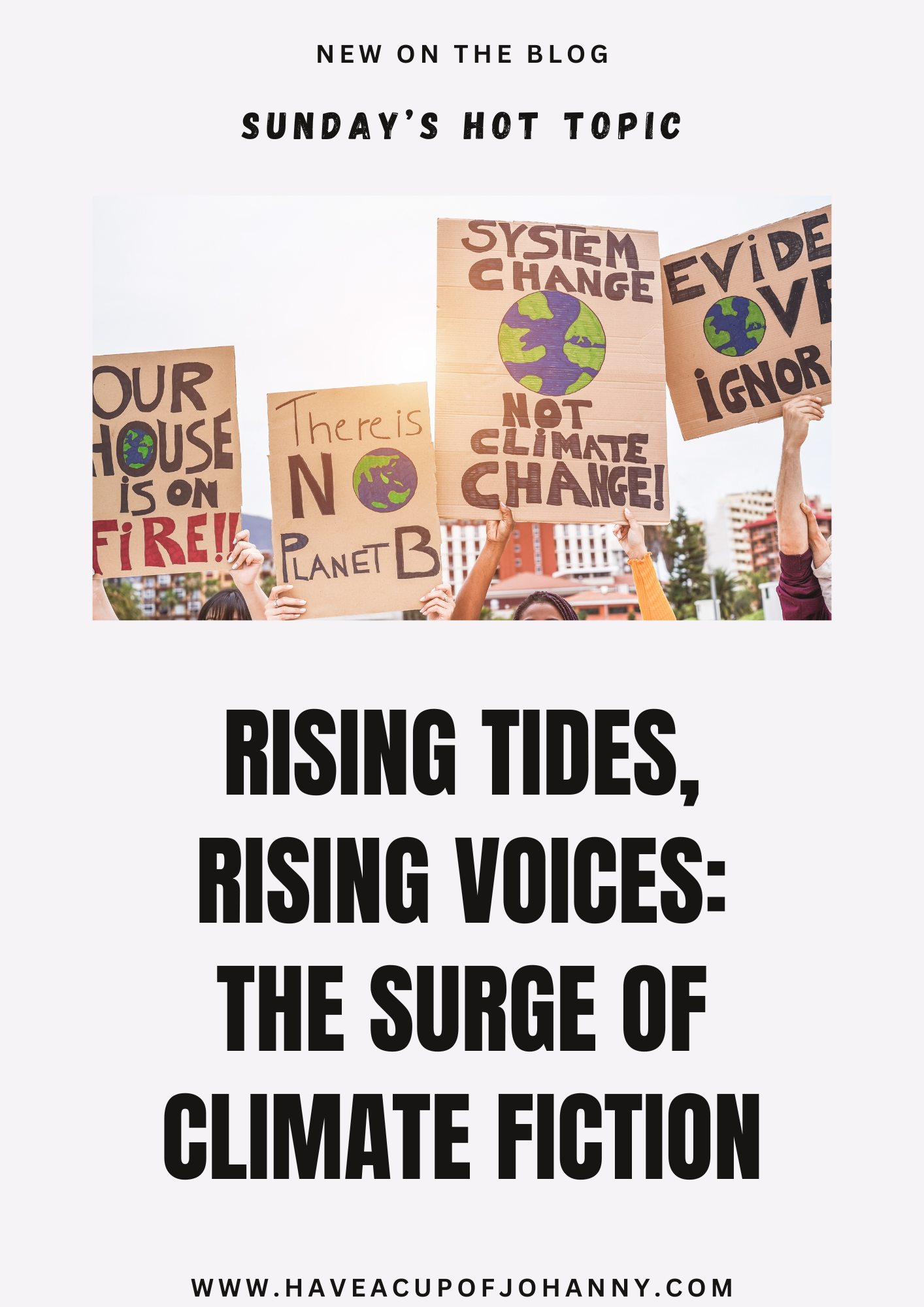
In the realm of literary genres, one has rapidly taken root in the collective consciousness of readers worldwide — Climate Fiction, or “Cli-Fi”. This genre extends beyond mere environmental warnings, weaving narratives that reflect the urgent and multifaceted crises of climate change. Cli-Fi has grown in prominence, particularly among diverse authors who bring a range of perspectives to this global conversation.
Listen to my latest podcast episode on Climate Change
Why Cli-Fi Matters Now
Climate change is a universal challenge, yet its impact is unevenly felt, often disproportionately affecting marginalized communities. Cli-Fi from diverse authors doesn’t just speculate about environmental doom; it humanizes the crisis, spotlighting the stories of those often left on the periphery of mainstream environmental discourse.
Spotlight on Diverse Voices in Cli-Fi
- “The Water Knife” by Paolo Bacigalupi — Set in a drought-ravaged Southwestern United States, Bacigalupi’s thriller presents a future where water is more precious than gold and more dangerous than a bullet.
- “Parable of the Sower” by Octavia Butler — A pioneering work of speculative fiction, Butler’s tale of a young Black woman navigating a climate-induced collapse of society resonates with the urgency of today’s challenges.
- “The Ministry for the Future” by Kim Stanley Robinson — A bold imagining of our response to the climate crisis, Robinson’s narrative focuses on international diplomacy, policy, and survival in an overheating world.
- “Gun Island” by Amitav Ghosh — Ghosh intertwines stories from different times and places, bringing forth a tale that explores human movement and environmental distress, reminding us that the two have always been connected.
- “The Marrow Thieves” by Cherie Dimaline — Featuring an Indigenous protagonist, Dimaline’s novel sheds light on tradition, identity, and the cost of survival in a world where the fight for resources becomes deadly.
The Takeaway
As our planet faces unprecedented changes, Cli-Fi has emerged as a platform for warning and foresight and a space for cultural expression and resilience. The diverse authors leading this charge aren’t just penning cautionary tales; they are inscribing roadmaps for adaptation, survival, and hope.
Through their works, we are invited to envision and work toward a future where the planet — and all its people — can thrive. Let’s read, reflect, and act, for the stories of tomorrow are being written today. Come back next Sunday for #sundayshottopic

Leave a Reply