

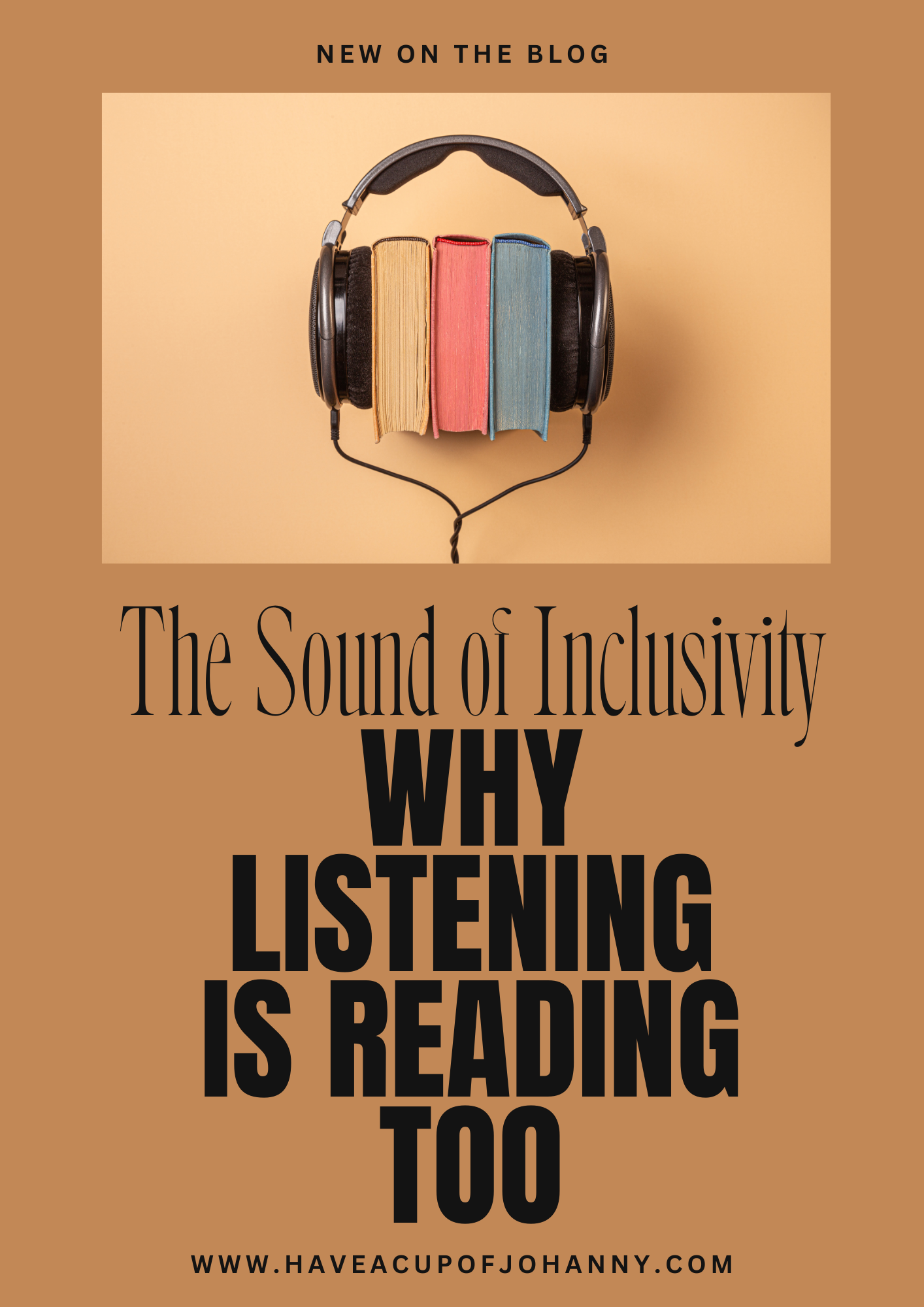
Today, let’s chat about a topic that’s been rustling the pages of the book community lately – is listening to an audiobook “reading”? Some folks seem to have a strong opinion on this, but I’m here to say it absolutely is. And here’s why pushing back against this idea is not just about semantics; it’s about inclusivity.
Picture this: a person, let’s call them Alex, who has dyslexia. Traditional reading is a challenge for Alex, but audiobooks? They’re a game changer. Now, imagine telling Alex they’re not a “real reader” because they listened to “The Heaven & Earth Grocery Store” instead of decoding the text with their eyes. Sounds pretty classist and ableist, right? That’s because it is.
Classism often rears its head when one assumes everyone has equal access to education and learning styles. But that’s not the world we live in. Audiobooks can be a lifeline for people who, for various reasons, find printed text inaccessible.
Then there’s ableism, which is exclusion based on ability. By gatekeeping what it means to “read,” we dismiss the varied ways people with disabilities access literature. Whether it’s through braille, audiobooks, or any other means, the joy of the story remains the same.
When I hear or am part of a thread where someone corrects the semantics between reading and listening, I wonder if they would rather be right than inclusive. If their ego is that much more important to them than to let someone in. I’m not going to lie. It worries me when I experience this often because it reflects a selfishness that can be prevalent in different parts of the world.
So next time you hear someone say, “I read this book,” and they mean they listened to it, remember: the world of books is vast and inclusive. Listening is reading. It’s about the content, the story, and the absorption of ideas, not the intake method.
Let’s celebrate every reader and every way to read. Because when we open our minds to the diversity of reading experiences, we embrace the true spirit of literature – accessible, enjoyable, and without barriers.
PS: What’s the last audiobook you read? Tell me all about it in the comments.

Leave a Reply