

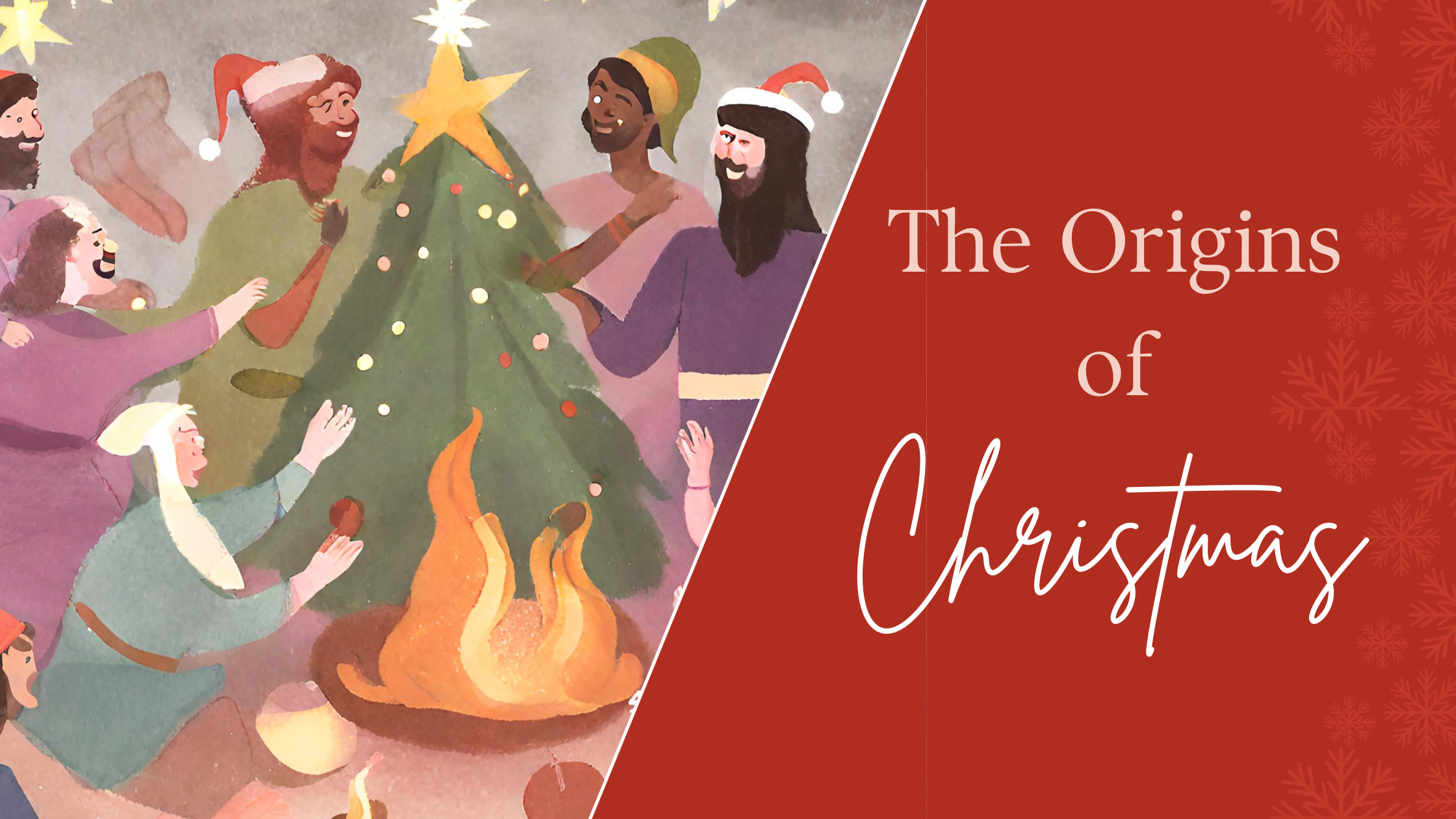
As we are nearing this Christian holiday, I want to share with you what I learned about Christmas’ origins.
This globally celebrated holiday, is steeped in rich traditions and festivities. And while it is widely known as a Christian holiday commemorating the birth of Jesus Christ, its roots extend far beyond the religious significance. In this blog post, we will delve into the captivating origins of Christmas, exploring its historical and cultural evolution throughout the centuries.
- Pagan Roots:
Long before the advent of Christianity, ancient pagan civilizations celebrated various winter solstice festivals. These festivals marked the rebirth of the sun and the end of the darkest days of winter. The Romans, for instance, celebrated Saturnalia, a week-long festival honoring the god Saturn, which involved feasting, gift-giving, and merriment. - Christian Influence:
The exact date of Jesus Christ’s birth remains a subject of scholarly debate. However, in the 4th century, December 25th was chosen by the early Christian Church to coincide with existing pagan celebrations. By incorporating elements of the pagan festivities, the early Christians sought to make the transition to Christianity more accessible to the masses. However, others argue that the church did this to snuff the pagan festivities. - The Nativity:
The nativity story, as described in the Bible, plays a central role in the Christmas narrative. The birth of Jesus in Bethlehem, the visit of the shepherds and the Wise Men, and the adoration of the baby Jesus are key components of the Christmas tradition. This story symbolizes hope, love, and the promise of redemption, which resonate deeply with people around the world. - Medieval Celebrations:
During the Middle Ages, Christmas evolved into a joyous and extravagant holiday. It was a time of feasting, drinking, and revelry. Yule logs were burned, carols were sung, and elaborate Nativity scenes were created. The Twelve Days of Christmas, beginning on December 25th and culminating on Epiphany, were marked by feasts and entertainment. - Victorian Revival:
The 19th century witnessed a revival of Christmas traditions, particularly in Victorian England. Influenced by the writings of Charles Dickens, the Victorians embraced Christmas as a time for family, charity, and goodwill. Christmas trees, decorated with ornaments and candles, became popular, and the exchange of Christmas cards gained prominence. - Global Traditions:
As Christmas spread across the world, diverse cultures integrated their unique customs into the holiday. In Mexico, for example, the tradition of Las Posadas reenacts Mary and Joseph’s search for lodging in Bethlehem. In Germany, the Advent calendar and the Christkindlmarkt (Christmas market) are cherished traditions. Each country adds its distinctive flair to the global tapestry of Christmas celebrations.
Christmas, with its origins rooted in ancient pagan festivals and Christian traditions, has evolved into a universal celebration of joy, love, and togetherness. Its rich history, spanning centuries and continents, captivates and inspires people of all backgrounds. As we gather with loved ones and exchange gifts, let us remember the enchanting origins of Christmas and the values it represents.
But, did you know that besides Christmas, there are other holidays that take place around the same time of year? Many cultures and religions have their own unique celebrations that share similar themes with Christmas.
- Hanukkah: Hanukkah is an eight-day Jewish festival of lights that usually falls around the same time as Christmas. It commemorates the miracle of the oil in the Jewish temple and celebrates the rededication of the Holy Temple in Jerusalem.
- Kwanzaa: Kwanzaa is a week-long celebration observed by African Americans and African diaspora communities. It takes place from December 26th to January 1st and focuses on honoring African heritage, unity, and community.
- Diwali: Diwali, also known as the Festival of Lights, is a Hindu festival that usually occurs between October and November. It celebrates the victory of light over darkness and good over evil. Diwali is marked by lighting lamps, exchanging gifts, and enjoying festive meals.
- Yule: Yule is a festival observed by pagans and Wiccans to celebrate the winter solstice, usually around December 21st. It involves rituals, feasting, and the lighting of Yule logs to welcome the return of longer days and the rebirth of the sun.
- Boxing Day: Boxing Day is observed in several countries, including the United Kingdom, Canada, Australia, and New Zealand, on December 26th. It originated as a day to give gifts to the less fortunate and has evolved into a day of shopping, sports events, and social gatherings.
Nevertheless, no matter what you celebrate, or if you celebrate at all, what really matters is what we hold in our hearts. The holiday is just a bonus!
I wish you all peace ✌️
XOXO
Johanny

Leave a Reply