

Read the previous post:
https://haveacupofjohanny.com/book-review/2025/11/22/reading-thoughts-the-unworthy
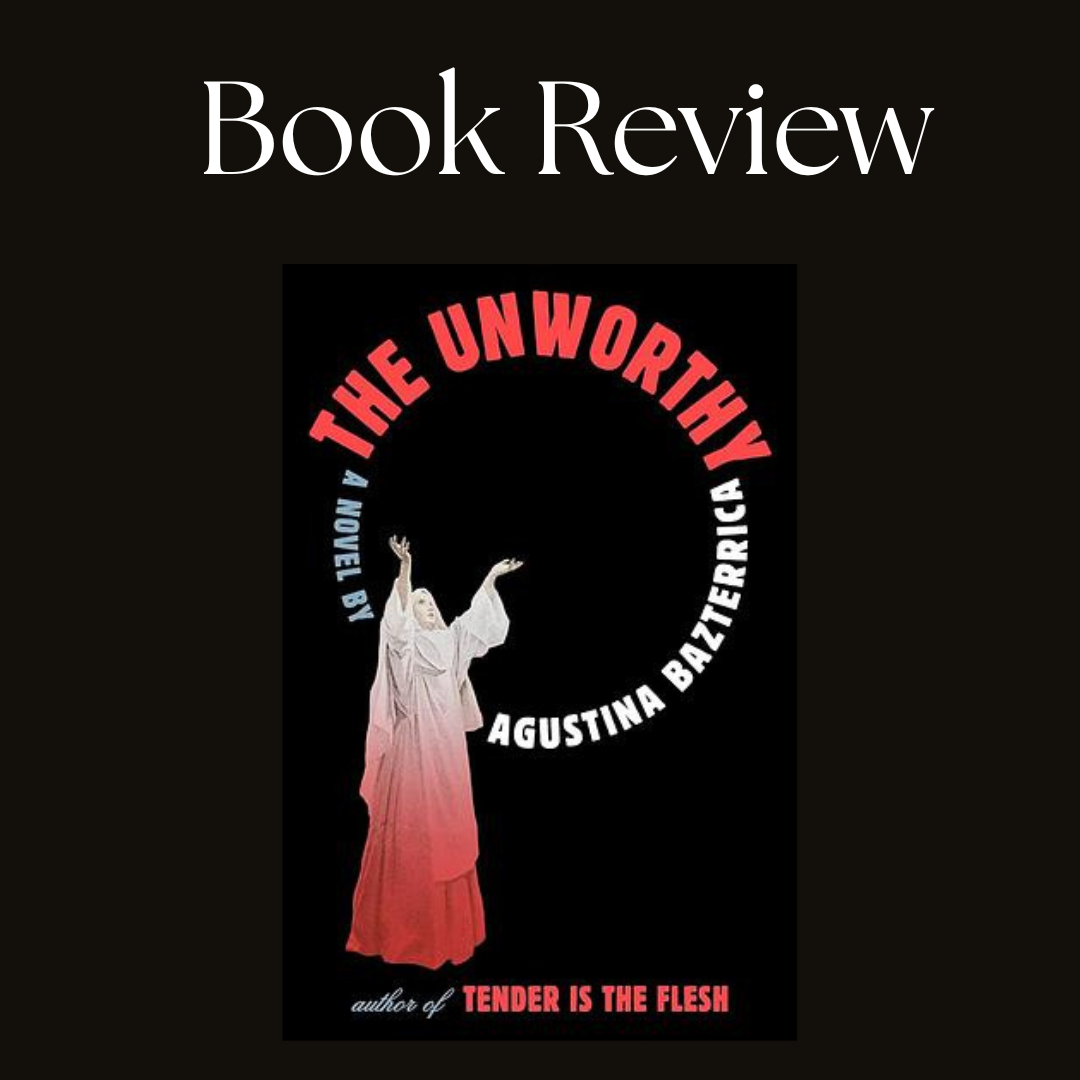
I finished The Unworthy and, as I suspected, this book left me with one big, resounding “WTF.” But here’s the thing—I expected that. Agustina Bazterrica has a way of crawling under your skin and twisting your perception of what horror can be. It’s never just gore or shock for shock’s sake—it’s psychological, societal, and deeply human.
That said, this one didn’t grip me quite like Tender Is the Flesh. Don’t get me wrong—it’s still brilliant, but it’s a slow burn that lives in discomfort more than tension. I’d give it a solid 4 stars, maybe 4.2 if we’re getting picky, because it’s a complex and layered look at indoctrination, love, and the price of awakening.
The main character is fascinating because she isn’t innocent—she’s complicit. She’s someone who has chosen to believe in the safety and structure of the cult-like sisterhood she belongs to, finding meaning in her obedience and even pleasure in the cruelty that defines her world. But when she meets someone who stirs something real—something resembling love—she starts to remember who she used to be. And that’s when everything fractures.
This is what Bazterrica does best: she makes you feel the rot beneath the surface of civilization. She shows how easily morality bends when survival and faith intertwine. The Unworthy doesn’t give you the catharsis of a happy ending, but it gives you something else—reflection, discomfort, and rage. The kind of rage that comes from seeing echoes of this fictional world in our own.
Because if you strip away the convent and the apocalyptic setting, what’s left is a mirror. We see societies that exploit fear and scarcity. We see how power structures thrive on obedience and shame. And we see how love, real love, can be the spark that threatens to burn it all down.
It’s horrific because it feels possible. And that’s what makes it brilliant.
⭐️ 4/5 – A disturbing, thought-provoking exploration of complicity, memory, and the terrifying comfort of belief.

Leave a Reply