

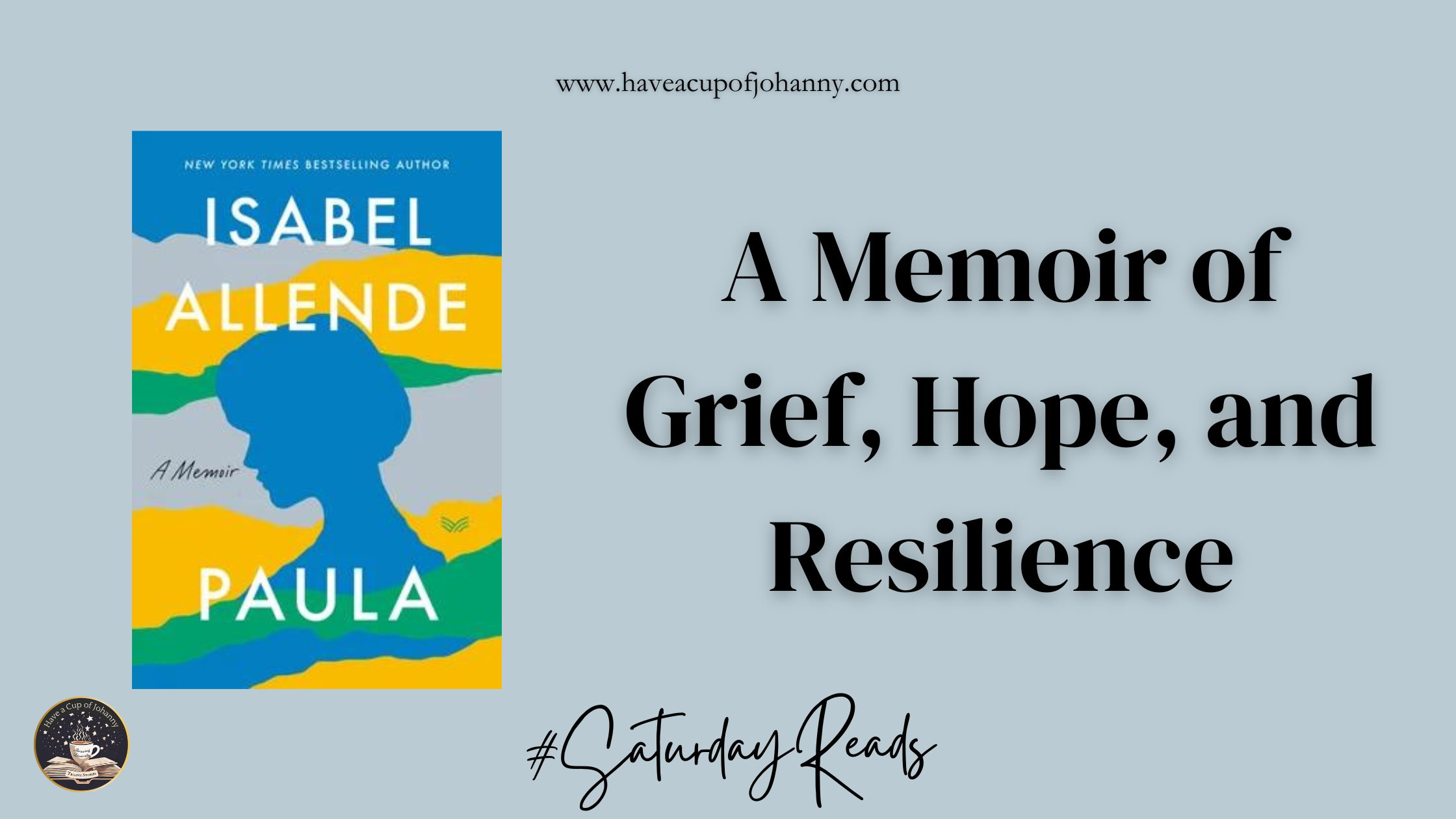
Isabel Allende’s Paula is a memoir that I initially hesitated to read. I knew it would be a tough book, recounting the heartbreaking story of Allende’s daughter, Paula, who falls into a coma and eventually passes away. I wasn’t sure if I was ready to handle the sadness, especially with everything going on in my life. I was already listening to In the Time of the Butterflies by Julia Alvarez, a novel I found more familiar and comforting, given its Dominican storytelling roots. For me, reading Alvarez is like sitting back home in the Dominican Republic, slurping sancocho, wrapped in the warmth of something deeply familiar. But despite that comfort, something kept pulling me back to Paula.
Eventually, I gave in, and I’m glad I did. There’s something so deeply raw, yet incredibly human, in how Allende navigates grief. As I continued listening to Paula, I found unexpected parallels between Allende’s memoir and my own work in progress, Under The Flamboyant Tree. Both narratives center on mothers grieving the loss of a daughter, though Allende’s story is rooted in real-life anguish, while mine comes from a place of fictional exploration. Still, both stories tackle the theme of resilience, and it’s that thread of hope that runs through Paula that captivated me the most.
Allende, in true form, weaves past, present, and potential future so seamlessly that you hardly notice when the narrative shifts. One minute, she’s recounting Paula’s illness; the next, you’re pulled into memories of Allende’s own life and family history. Yet, you never feel lost. Her transitions are flawless. It’s a talent that only a master storyteller like Allende can pull off, and it kept me hooked even through the most heart-wrenching moments.
While the subject of Paula is undeniably tragic, the memoir itself is full of hope. Allende’s unyielding love for her daughter and her refusal to give up hope—even in the face of overwhelming darkness—are profoundly moving. As I read, I couldn’t help but think of how her resilience mirrors that of my character, Bianca, in Under The Flamboyant Tree. Both women experience the ripping away of hope, only to painstakingly rebuild it, piece by piece.
Reading Paula felt like sharing in Allende’s journey, not just through grief but through healing, no matter how fragile that healing might be. It’s a book that makes you want to reach out and hug the author for her strength, for her willingness to share such a personal, painful chapter of her life. There’s something almost divine about the way Allende clings to hope throughout her darkest hours, and it left me feeling not only deeply empathetic but also incredibly inspired.
At the end of it all, Paula reminded me why I love storytelling. It reminded me why I write. It gave me the strength to push forward with editing Under The Flamboyant Tree, with the hope that my work will find its readership, just as Allende’s memoir found me when I needed it most.
If you haven’t read Paula, I highly recommend it. Yes, it’s sad at times, but it’s also filled with resilience, love, and, ultimately, hope—something we could all use a little more of in our lives.

Leave a Reply