

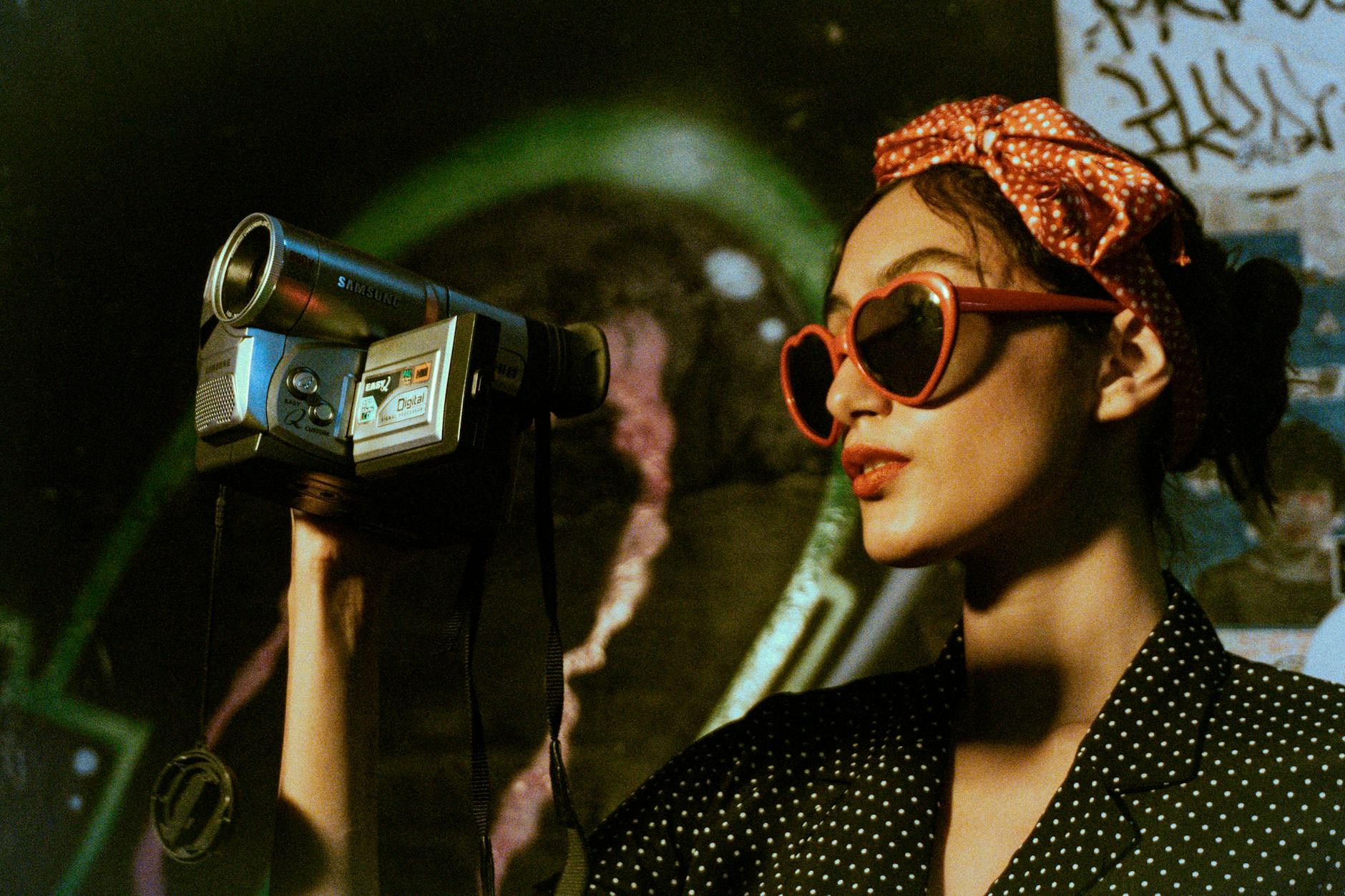
As we step into 2025, the conversation around representation in media remains as crucial as ever. Despite progress, significant gaps persist, particularly concerning Hispanic and Latinx communities. Understanding the history and current state of this representation sheds light on why it continues to matter.
A Brief History of Hispanic & Latinx Representation
Historically, Hispanic and Latinx individuals have been marginalized or stereotypically portrayed in media. Early cinema often cast Latino men as aggressive antagonists and Latina women as hypersexualized figures. These portrayals reinforced harmful stereotypes and failed to capture the rich diversity of these communities. Over time, there have been improvements, with more nuanced characters and stories emerging. However, the journey toward authentic representation is ongoing.
Current Landscape and Challenges
Despite comprising a significant portion of the U.S. population, Hispanic and Latinx individuals remain underrepresented in media. A 2021 report highlighted that only 7% of lead actors in top-grossing films were Hispanic or Latinx, a stark contrast to their population percentage. This disparity extends behind the scenes, with limited representation among directors and writers, impacting the authenticity of storytelling.
The Importance of Authentic Representation
Authentic representation in media is vital for several reasons:
- Cultural Identity: Seeing one’s culture accurately depicted fosters a sense of pride and belonging.
- Challenging Stereotypes: Diverse portrayals break down harmful stereotypes, promoting understanding and empathy.
- Inspiration and Aspiration: Representation provides role models, inspiring individuals to pursue various paths they might not have considered attainable.
Voices Leading the Change
Actors like John Leguizamo have been vocal about the need for increased Latinx representation in Hollywood. Leguizamo has highlighted the industry’s history of casting non-Latinx actors in Latinx roles, calling for more authentic representation. His advocacy underscores the importance of inclusivity in storytelling.
Looking Forward
While progress has been made, the journey toward equitable representation is far from over. Supporting content created by and featuring Hispanic and Latinx individuals is crucial. Advocating for diversity in media not only enriches storytelling but also reflects the true tapestry of our society.
In 2025, let us continue to champion authentic representation, ensuring that all voices are heard and seen in the media we consume.
Recent Discussions on Latinx Representation in Media

PopSugarWhy We Should Still Be Talking About Liza Colón-Zayas’s Emmy Win105 days agoTimeTanya Saracho Is Making Sure Latinos Have a Seat at the Writers’ Table111 days ag

Leave a Reply